Last updated November 21, 2026
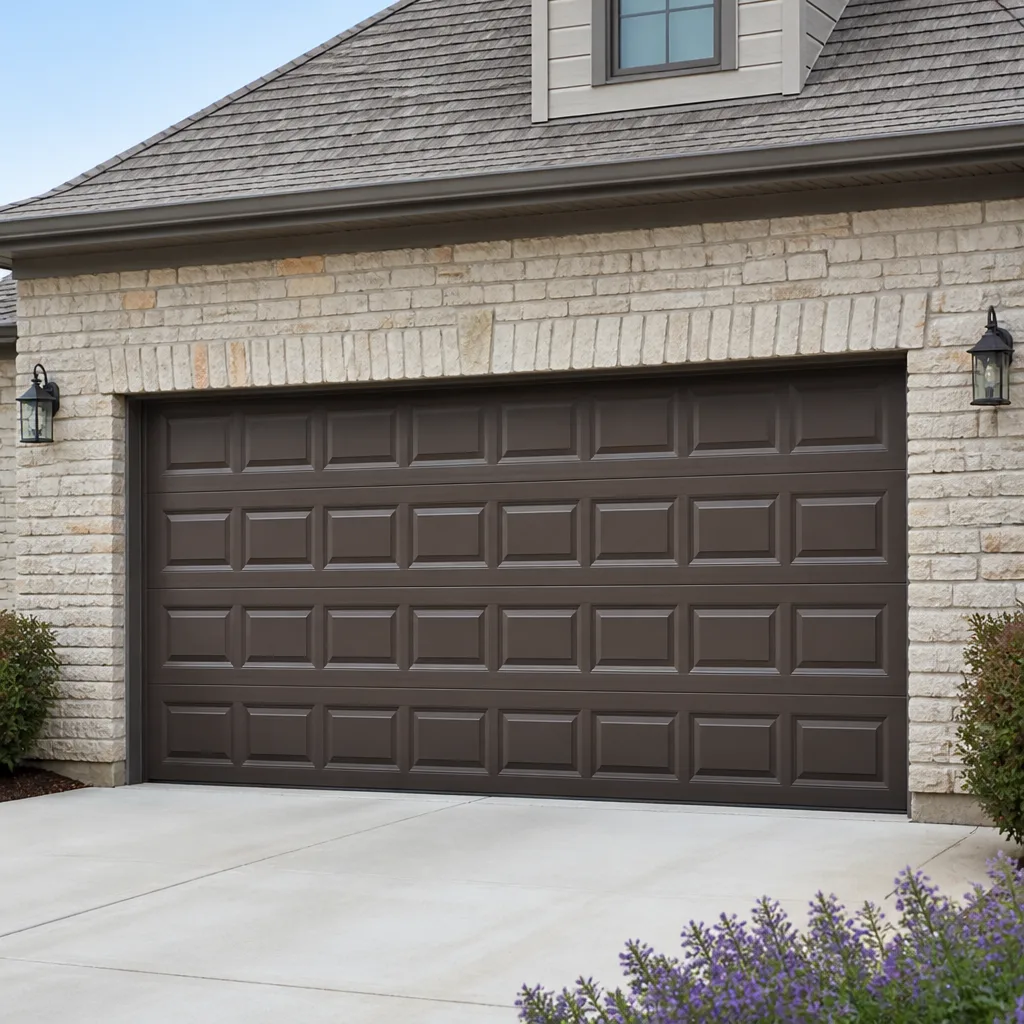 Raised-panel steel
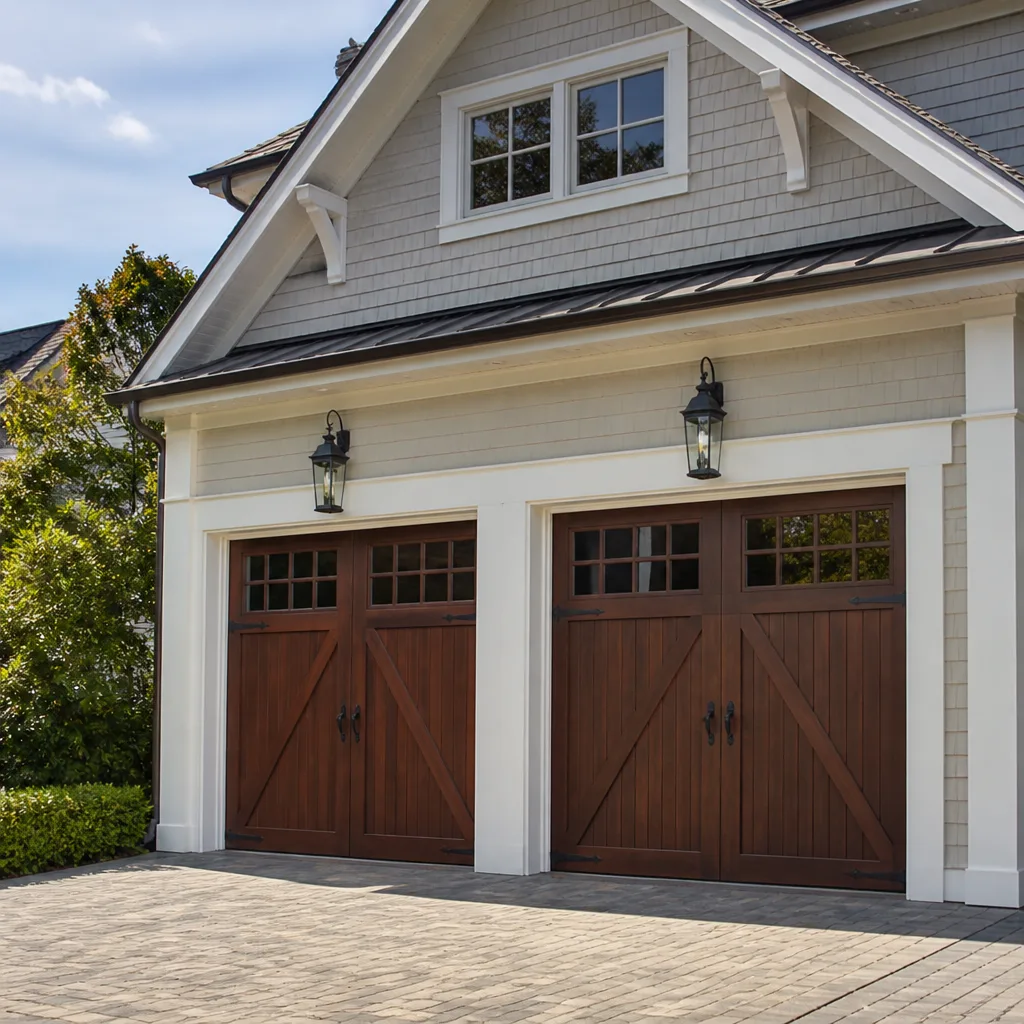 Carriage house
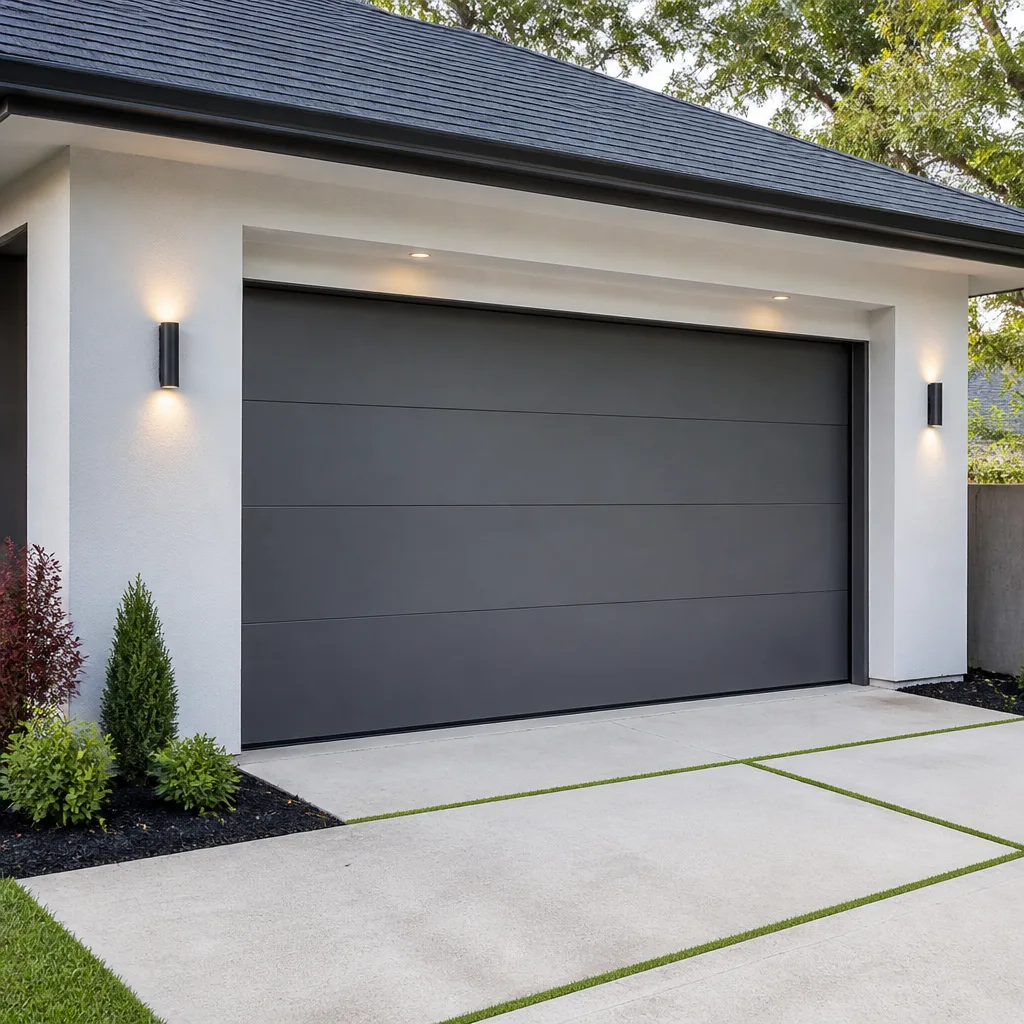 Modern flush
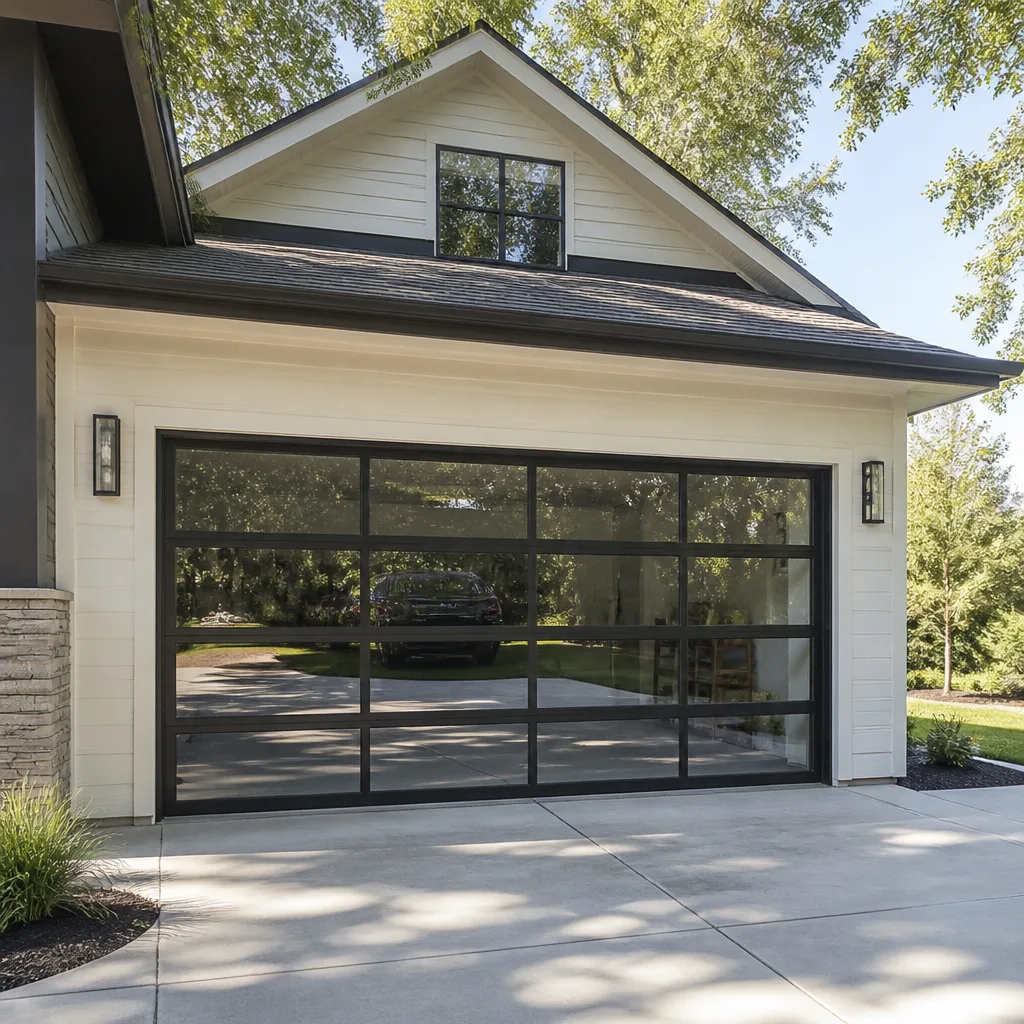 Full-view glass
 LiftMaster openers
 Chamberlain openers
Full 25-point door and opener safety check with every visit - springs, cables, rollers, tracks, and your LiftMaster or Chamberlain opener included
You get a price before we start. It does not change when the pro arrives.
Get your free estimateGarage Door Emergency Preparedness Guide for West Roxbury Homes
When a torsion spring breaks at 7 a.m. on a Tuesday, most West Roxbury homeowners discover two things at the same time: they don’t actually know how to work the manual release safely, and their car is trapped inside the garage. Here’s the counterintuitive part – the spring, not the door, is usually what fails first, and the door itself is often fine. That means the first ten minutes after a failure matter more than the next ten hours. This guide walks you through the three emergencies that actually happen to West Roxbury homes – spring failure, nor’easter damage, and power loss – and gives you the exact sequence to follow before anyone arrives. You’ll learn how to release the door manually, when to leave it alone, what to tell a dispatcher, and how to secure a door that won’t close.
Quick Answer
A garage door emergency in West Roxbury usually means one of three failures: a snapped spring that leaves the door too heavy to lift, storm damage from a nor’easter that bends a track or dents a panel, or a power outage that disables a non-battery-backup opener. Handle each differently. Spring failure means don’t force the door, don’t pull the release cord as usual, and call for repair. Storm damage means leave the door down until a technician inspects it. Power loss means use the manual release – but only if the spring system is intact – and re-engage carefully when the power returns.
Styles & brands we work with
- Raised-panel steel
- Carriage house
- Modern flush
- Full-view glass
- LiftMaster openers
- Chamberlain openers
Table of Contents
- Spring Failure on a Weekday Morning: What to Do First
- How to Operate the Manual Release Safely (and When Not To)
- Nor’easter Response: Assessing Your Door After a Storm
- Power Outage: Opener Backup and Manual Operation
- When the Door Won’t Close: Temporary Security Measures
- What to Have Ready Before You Call for Emergency Service
- Why These Three Emergencies Cluster in West Roxbury
Spring Failure on a Weekday Morning: What to Do First
Torsion springs break with a sound that most homeowners describe as a gunshot in the garage. It happens suddenly, usually mid-morning when the door is used most, and the door will not open afterward. When that happens, the door’s weight is no longer being offset by spring tension – the full 100 to 200-plus pounds of a standard two-car garage door now rests on the opener or the tracks. That’s why nobody should try to force it.
The sequence for a weekday-morning spring failure in West Roxbury looks like this:
- Don’t cycle the opener again. If the door didn’t open on the first press, the opener is already straining. A second or third press can strip the drive gear or burn the motor.
- Leave the car parked. We know that’s the hard part – everyone is trying to get to work or get kids to school. But a door with a broken spring can come down uncontrolled, and that includes on a car.
- Look, don’t touch. Shine a phone light at the spring assembly above the door (the horizontal bar mounted to the wall above the door header). A broken torsion spring has an obvious visible gap, usually a clean break with a dangling coil. On extension-spring doors (springs that run along the horizontal tracks), a break means a stretched-out, dangling spring.
- Call for repair before you leave the driveway. Spring repair is a same-day job in most cases because the part is straightforward to source. Getting the call in first thing means the repair happens the same day rather than the next.
Our garage door repair work in West Roxbury treats spring replacement as a standard job, not a specialty upsell. We see far more spring failures than any other emergency, and they’re the one most worth preparing for.
What Not to Do When the Spring Is Visibly Broken
The single most dangerous thing a homeowner can do with a broken spring is attempt to lift the door manually anyway. Here’s why: on a healthy door, the spring tension is what makes the door feel light – you can usually lift a properly balanced door with one hand. With the spring broken, you’re lifting the whole weight of the door with nothing helping. Attempting it risks a back injury or, worse, losing control of the door mid-lift.
The second mistake is pulling the manual release cord. That deserves its own section, because its behavior changes completely when spring tension is gone.
How to Operate the Manual Release Safely (and When Not To)
The manual release cord hanging from the opener trolley disconnects the door from the opener so you can move the door by hand. Every homeowner should know where it is and how it works – but the honest answer is that on a door with broken spring tension, the pull cord can become a hazard, not a help. When the spring is intact and the door is balanced, the release works as designed: pull it, the door disconnects, and you lift it by hand. When the spring has failed, disconnecting the door means the full weight of the door is now unsupported, and it may fall.
So the rule of thumb is simple. Pull the release cord only when:
- The spring system is intact and the door was working normally before the power went out or the opener failed.
- You can stand clear of the door’s downward path when you pull.
- You have a firm grip on the door handle before releasing, so you can lower or raise it under control.
Do not pull the release cord when:
- A spring is visibly broken or dangling. The door has no counterbalance and can drop.
- The door is off its tracks, hanging at an angle, or has visibly damaged rollers.
- You’re unsure whether the door is balanced. Test it only under professional guidance – not by pulling the release.
The safe manual sequence, when the spring system is intact and the power is out, is:
- Stand to one side of the door, not directly under it.
- Grab the door’s bottom handle with one hand.
- Pull the release cord and hold the door’s weight.
- Lift the door slowly to the open position, then lower it under control. Never let it drop free.
- To re-engage the opener, lift the door to the fully open position, pull the release cord back down so the trolley locks, then cycle the opener once.
Re-engagement is where homeowners get into trouble. If you re-engage the trolley while the door is mid-travel, the opener carriage can bind and damage the drive gear or the door’s arm. Always fully open the door before reconnecting. If you’re unsure whether the connection took, stop and call – a wasted service call is cheaper than an opener replacement. We handle garage door opener repair across all the major brands, including LiftMaster and Craftsman systems, so if re-engagement goes wrong, the repair is straightforward.
Nor’easter Response: Assessing Your Door After a Storm
New England nor’easters bring wind-driven rain and the occasional tree limb, and garage doors take the impact because they’re the largest flat surface on the front of most West Roxbury homes. After a storm, the question every homeowner asks is “can I just open it and see?” The answer, usually, is no. A garage door that has taken a hit can have a bent track, a popped roller, or a panel that’s been pushed free of the frame – and the act of cycling the opener is what turns a repairable door into a full replacement.
Here’s the post-storm inspection sequence we recommend:
- Inspect from outside first. Look at the panels for dents, buckling, or gaps where a panel has separated from the frame.
- Look at the vertical and horizontal tracks. A track that’s bent, kinked, or visually out of line with the others is a sign the door has shifted. Don’t force the door through a damaged track.
- Check the rollers. A roller that’s popped out of the track is the most common storm-damage finding, and it’s the one that will do the most harm if you cycle the door anyway.
- Look at the spring assembly for debris. Branches can lodge against the spring bar or the cables. If you see anything tangled in the spring or cable area, leave the door alone.
- Leave the door down and call. A door stuck in the closed position is a security problem, not a safety problem. A door that comes off its track while open is both.
When to Leave the Door Down and Not Attempt to Open It
Leave the door down, and don’t attempt to open it, in these situations:
- The door is visibly out of the tracks on one or both sides.
- One or more panels are dented deeply enough that the panel’s edge has separated from the frame.
- The door sits at an angle when closed – a sign that one side’s cable or spring is under different tension than the other.
- You see a broken tension cable or a snapped spring after the storm.
- The door made unusual noises during the storm, even if you can’t see damage.
When you call, be specific about what you saw. “The door is down, one panel is dented on the left side, the left track looks bent, and the opener hasn’t been used since the storm” tells the dispatcher more than “my door is broken” and lets the technician bring the right parts. We work on Clopay doors and Wayne Dalton doors among the eight brands we service, and knowing the brand makes parts sourcing faster, so mention the brand if you know it.
Power Outage: Opener Backup and Manual Operation
A power outage is the most common garage door “emergency” in West Roxbury, and it’s also the one homeowners handle worst. Some openers have battery backup built in; most older openers don’t. The first thing to do is check the opener head for a battery indicator light and try the wall console button – if the door cycles on battery, you don’t need to do anything manual. If it doesn’t, you’re on manual release protocol.
Battery backup behavior varies by brand. LiftMaster and Chamberlain units with battery backup typically run a limited number of cycles per day on battery power, and the opener will often beep or flash a light to indicate it’s in backup mode. Genie and Craftsman units vary by model. Don’t assume the opener has backup unless you’ve tested it. If you’re not sure whether yours has backup, test it before the next storm season – trip the breaker to the opener and try the wall console. That one-minute test is worth more than any preparedness guide.
Manual Operation When the Power Is Out
The manual sequence for a power outage, assuming the spring system is intact, is straightforward:
- Locate the release cord hanging from the opener trolley. It’s usually the red-handled cord.
- Stand to the side, grip the door handle, then pull the cord.
- Lift the door slowly and fully, then secure it open with a manual lock or by hand if you’re staying with it.
- When the power returns, cycle the door fully open first, then re-engage the trolley and test the opener once.
Re-Engaging the Opener Safely After Power Returns
Don’t re-engage the trolley with the door at half-travel. Lift the door fully open, pull the release cord to lock the trolley, then run the opener through one full cycle to confirm engagement. If the opener runs but the door doesn’t move, the trolley didn’t engage and you need to redo the sequence. If the opener runs, the door moves, but the opener sounds strained, stop and call. Something has bound up – usually the door arm or the drive gear – and running it further will cause damage.
When the Door Won’t Close: Temporary Security Measures
A garage door that won’t close is a real security problem for any West Roxbury home, even on a quiet residential street. The first response should be temporary and safe, not heroic. Get the door closed if you can do so without forcing it, then secure it. If the door can’t be fully closed, secure the opening, not the door.
Temporary measures that work:
- Manual lock engagement. Most garage doors have a manual lock bar or latch that engages with the door’s track or a floor bracket. Engage it if the door is down far enough to reach. Don’t try to force the door down to engage the lock.
- Slide bolt or bar across the inside of the door frame. A bar cut to fit across the opening between the tracks, with the door down, prevents the door from being lifted from outside.
- Block the opening with a vehicle. If your second car is outside, park it nose-in to the door. Not elegant, but effective overnight.
- Flag the opening for safety. If the door is partially open, place a bright marker, a cone, or a chair in front of the door at the driveway apron so a delivery driver or family member doesn’t walk into a partially open door. Every year there are injuries from a partially open garage door – that’s a safety hazard, not a hypothetical.
Don’t try to force a door closed with a bent track or a broken spring by pushing it. That’s how the door ends up off the tracks entirely and turns a spring repair into a full replacement. Call for service and keep the door as-is overnight.
What to Have Ready Before You Call for Emergency Service
The information you have ready when you call can cut the time between the call and a working door. It’s not about the dispatcher needing everything, it’s about what lets the technician arrive with the right parts, so the job finishes in one visit rather than two.
Have these ready:
- Door measurements. Width and height, measured at the opening (not the frame). Most single-car doors are around 8-10 feet wide by 7 feet tall; most two-car are around 16 feet wide. Measure yours, don’t guess.
- Opener brand and model. The model number is usually on a sticker on the opener head or a label on the back panel. LiftMaster, Chamberlain, Genie, and Craftsman are the four most commonly installed residential opener brands in this area.
- Spring configuration. Single spring or double? Torsion spring (mounted above the door on a horizontal bar) or extension spring (running along the horizontal tracks)? One look at the assembly tells you.
- Door brand if you know it. Wayne Dalton, Raynor, Clopay, and Amarr doors are all common in this area, and brand knowledge speeds up parts sourcing.
- When the door last received service. “I think it was spring replacement a few years ago” is useful context. “I have no idea” is fine too – just say so.
- What you’ve already done. “I haven’t touched the opener since the spring broke” is critical information. So is “I pulled the release cord and the door dropped halfway.”
Call (855) 658-4358 with that information in hand. We work on the brand you already have – we service LiftMaster, Chamberlain, Genie, Clopay, Amarr, Wayne Dalton, Craftsman, and Raynor equipment – so parts sourcing is faster than it would be with a general handyman who has to order the right part from a separate supplier.
Why These Three Emergencies Cluster in West Roxbury
West Roxbury homes tend to have the same three problems because of the same three pressures. Spring failure clusters on weekday mornings because that’s when doors get used most – kids to school, adults to work, the door cycling five or six times before 9 a.m. Cycles are what wear out springs, and a household with two working adults and two school-age kids runs more cycles per week than most homeowners realize.
Storm damage clusters around the late-fall and early-winter nor’easters that sweep through this part of Boston. West Roxbury’s housing stock sits beneath mature trees and along streets with a fair amount of tree cover, which means the wind does more damage than raw wind speed alone would suggest. A limb comes down, hits the door, and bends a track or dents a panel. That’s the storm emergency the homeowner sees.
Power outages are less about weather and more about timing. A single outage during the evening hours leaves an opener-dependent household without a way in or out. Battery backup openers are the answer, and testing the backup before the outage, not during it, is what matters.
If you’re preparing your home in advance, replace aging springs before they break, buy an opener with battery backup, and clear tree limbs that overhang the door. If you’re responding to one of these emergencies right now, the sequences above are what to follow. Our garage door installation team can also talk you through whether an aging door is worth repairing versus replacing if the storm damage is extensive.
Common Mistakes to Avoid
- Pressing the opener a second time when the door didn’t respond. If the door didn’t move on the first press, the opener is already straining. A second press strips the drive gear or burns out the motor – and that’s a far more expensive repair than the diagnosis.
- Pulling the manual release cord on a door with a broken spring. The cord disconnects the door from the opener, but with the spring gone, the door has no counterbalance and can fall. The cord changes from a safety feature into a hazard the moment spring tension is lost.
- Cycling the door after a storm to “see if it still works.” A bent track and a popped roller are both common storm findings, and the act of cycling the door through a damaged track is what turns a repairable door into a full replacement.
- Forcing a door closed to engage the lock. If the door won’t close, forcing it is how the door comes off the tracks. Secure the opening, not the door.
- Re-engaging the opener with the door half-open. Lift the door fully open, then re-engage the trolley. Mid-travel re-engagement binds the door arm and the drive gear, and it’s the most common post-outage damage we see.
- Assuming the opener has battery backup without testing it. Some openers do, most older ones don’t, and the only reliable test is tripping the breaker and trying the wall console. Test before the storm, not during it.
- Calling without the door’s measurements, brand, or spring configuration. Those three pieces of information are what let a technician arrive with the right parts. Without them, the first visit is a diagnosis visit, and the repair is pushed to a second trip.
See the difference
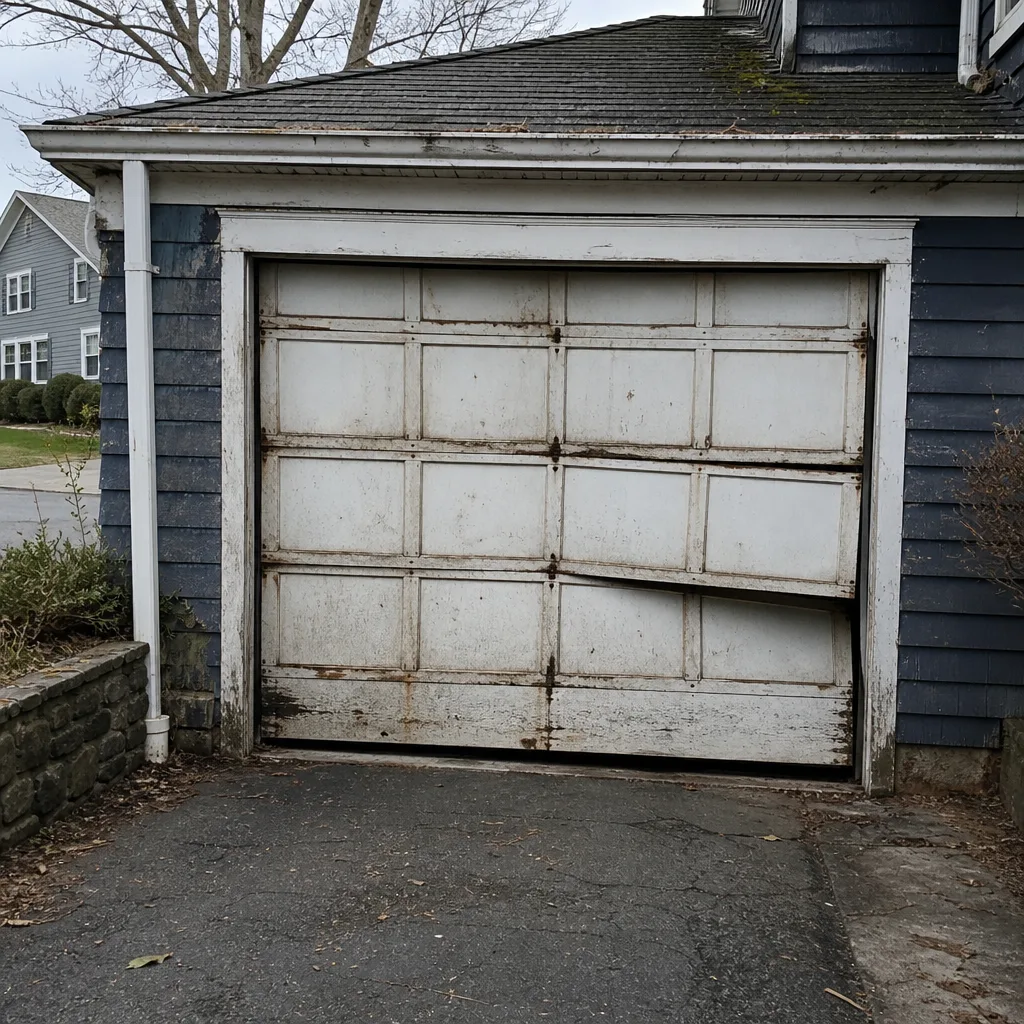 Before
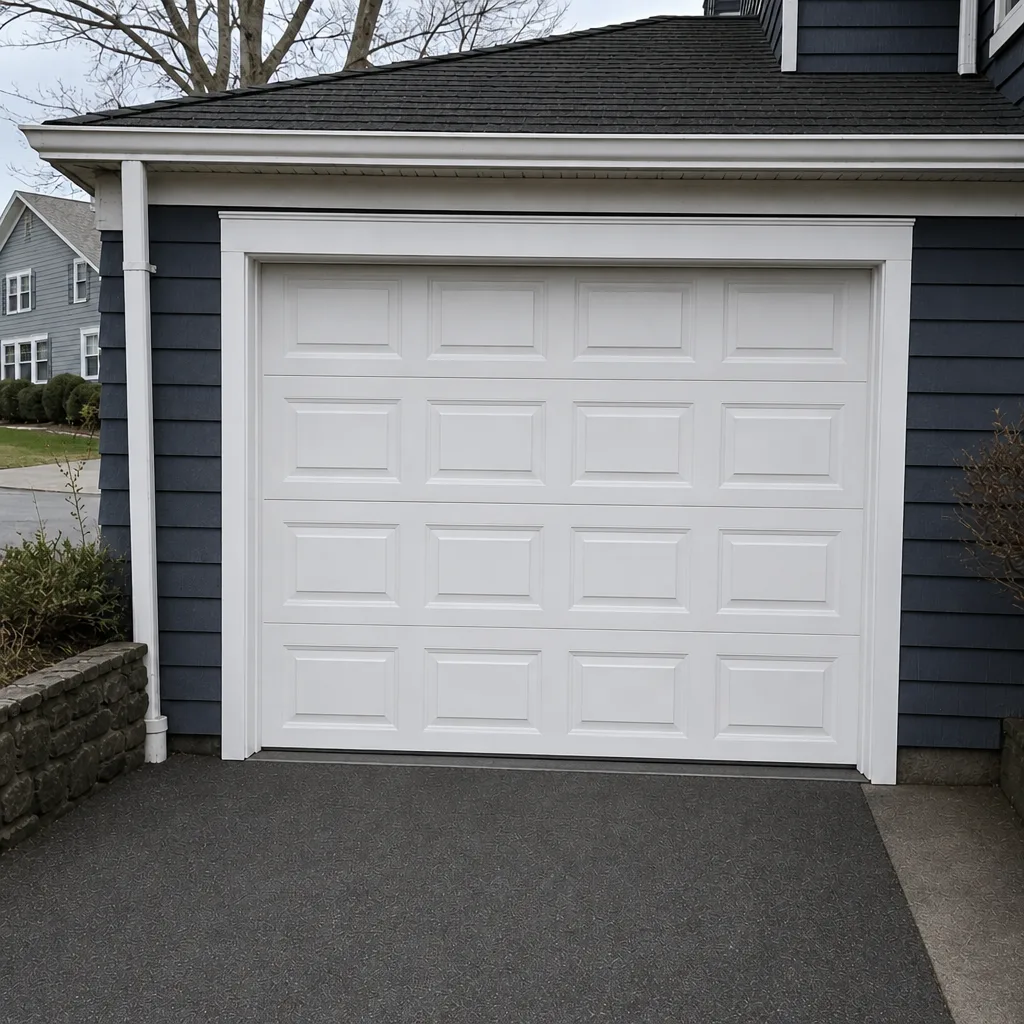 After
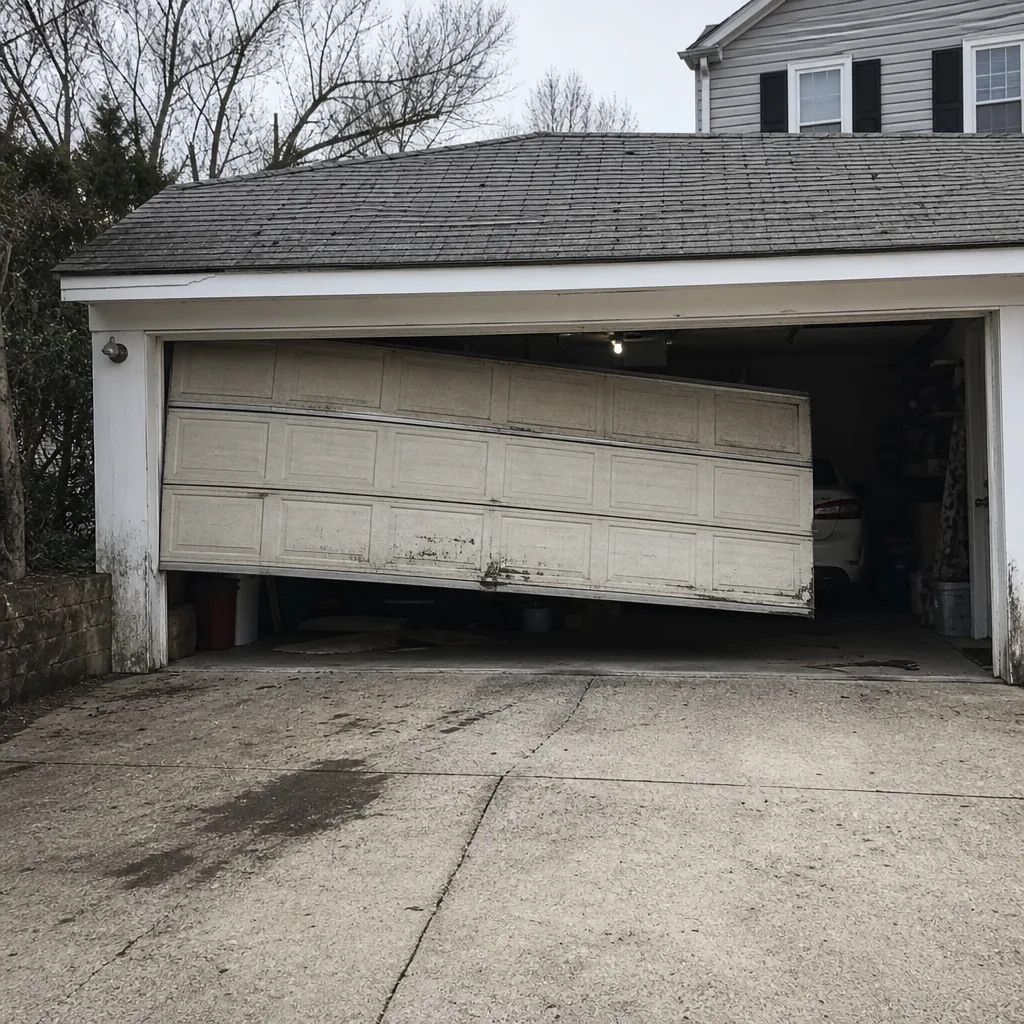 Before
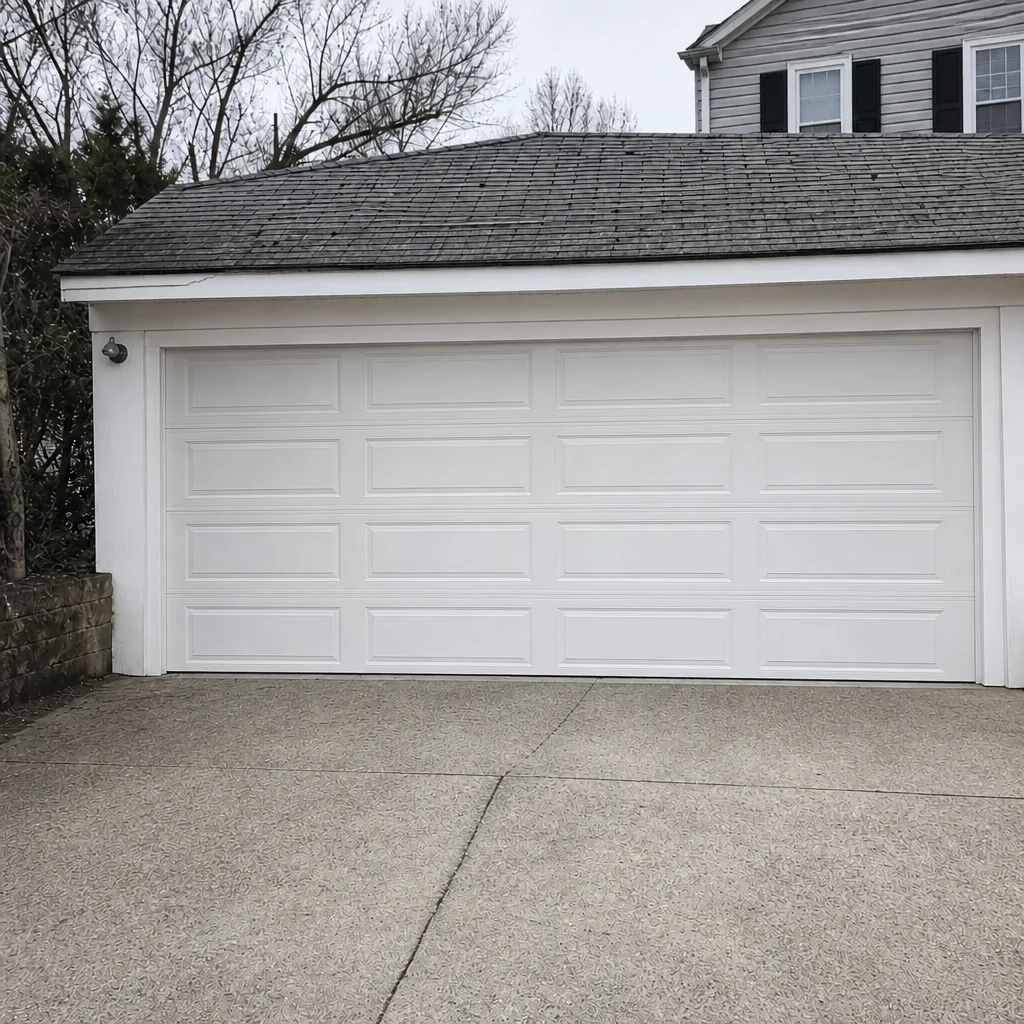 After
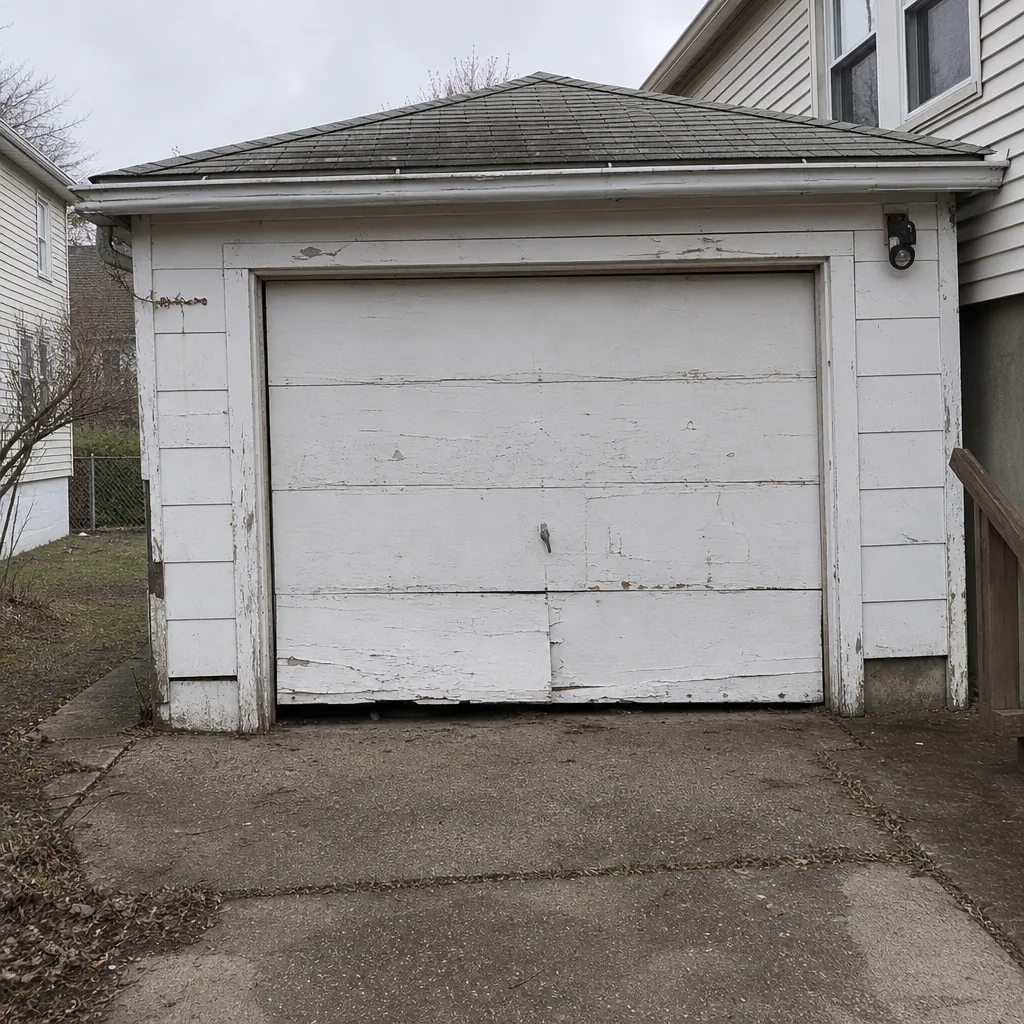 Before
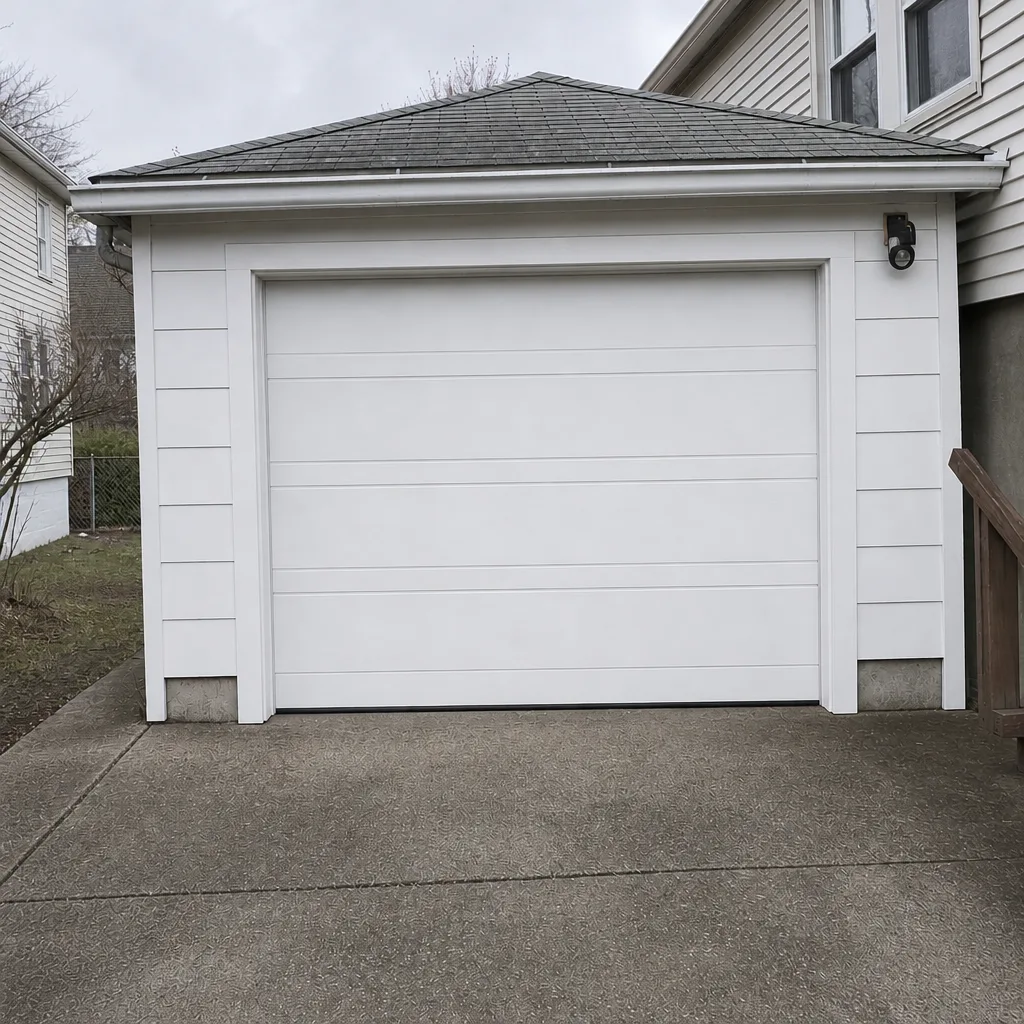 After
When to Call a Professional
Call for professional help when a spring has broken, when a door has come off its tracks, when the opener runs but the door doesn’t move, when a storm has visibly bent a track or dented a panel, when the door won’t close fully, or when the door is making unusual noises you can’t identify. High-tension springs, cables under load, and garage door panels are three of the most dangerous parts of any home to work on yourself. Every spring replacement involves high-tension adjustment, and getting that wrong risks serious injury. West Roxbury Garage Door Repair offers free estimates in West Roxbury – call (855) 658-4358. We’re a specialist shop, so garage doors are all we do, and our technicians have up to 11 years of experience. We can also work with your insurer if storm damage is part of the claim.
Frequently Asked Questions
No. A garage door with a broken spring should not be opened manually – the door’s full weight is unsupported and can fall. Leave the door down, don’t pull the release cord, and call for repair. The door is safe in the down position; it’s the moment of movement that’s dangerous.
Spring repair in West Roxbury typically costs around $180 to $340 for a single spring, and a matched pair usually runs about twice that since both springs are replaced together. The written estimate sets the final price, and we quote before any work starts. Call (855) 658-4358 for an exact quote – estimates are free.
Yes, for spring failures, opener failures, and doors that won’t close – those get same-day service whenever possible, with scheduling from 7 a.m. to 7 p.m. Storm damage is often same-day or next-day depending on parts. Installation and full door replacement are scheduled differently because the door is measured, ordered, and then installed. Call (855) 658-4358 and describe what happened.
Tell them the door’s width and height, the opener’s brand and model if you can find the sticker, whether the door has a single spring or a matched pair, whether the spring is broken, and what you’ve already done – like whether you’ve used the opener or pulled the release cord. That information lets us bring the right parts on the first trip. Call (855) 658-4358.
No, the price you’re quoted is the price you pay unless you approve additional work before it starts. We quote and agree the price before any work begins, so there’s no surprise invoice afterward. If the situation turns out to be more involved than the call suggested, we explain what’s involved and get your approval before proceeding. Call (855) 658-4358 for an exact quote.
The local pro we connect you with is licensed and insured as their state requires. Our technicians have up to 11 years of experience on garage door systems specifically – every technician works on garage doors, not general handyman work. If you need a specific credential confirmed for your HOA or insurer, ask when you call and we’ll confirm the details. Call (855) 658-4358.
Secure the opening first, not just the door. Engage the manual lock if the door is down far enough, or slide a bar across the inside of the frame. If the door can’t be closed, park a vehicle nose-in to the opening and place a bright marker at the driveway apron so nobody walks into a partially open door. Don’t force a damaged door closed – that’s how it comes off the tracks. Call (855) 658-4358.
The Bottom Line
Garage door emergencies in West Roxbury follow three patterns – spring failure, storm damage, and power loss – and each has a different correct response. Spring failure: don’t force the door, don’t pull the release cord, and call. Storm damage: leave the door down and call before cycling it. Power loss: use the manual release only if the spring system is intact, and re-engage the trolley only with the door fully open. Have your door measurements, opener brand, spring configuration, and service history ready before you call. Prepare the manual release and battery backup test before the emergency, not during it. If you’re standing in a cold driveway right now, call (855) 658-4358 for a free estimate. We’re a single-trade shop – garage doors are all we do – and we service eight major brands, so we work on the brand you already have.
For more on our full range of services in the area, see West Roxbury Garage Door Repair.
Written by the team at West Roxbury Garage Door Repair.