Last updated November 21, 2026
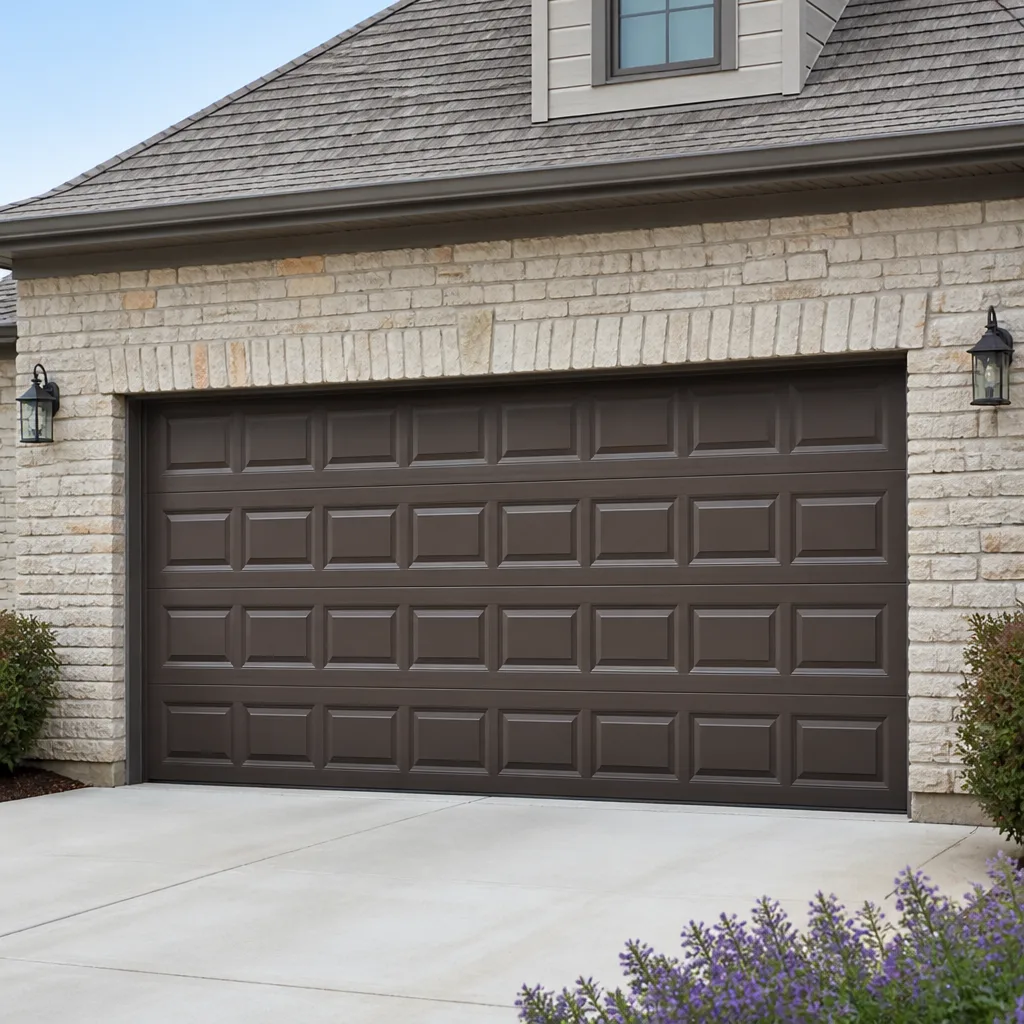 Raised-panel steel
 Carriage house
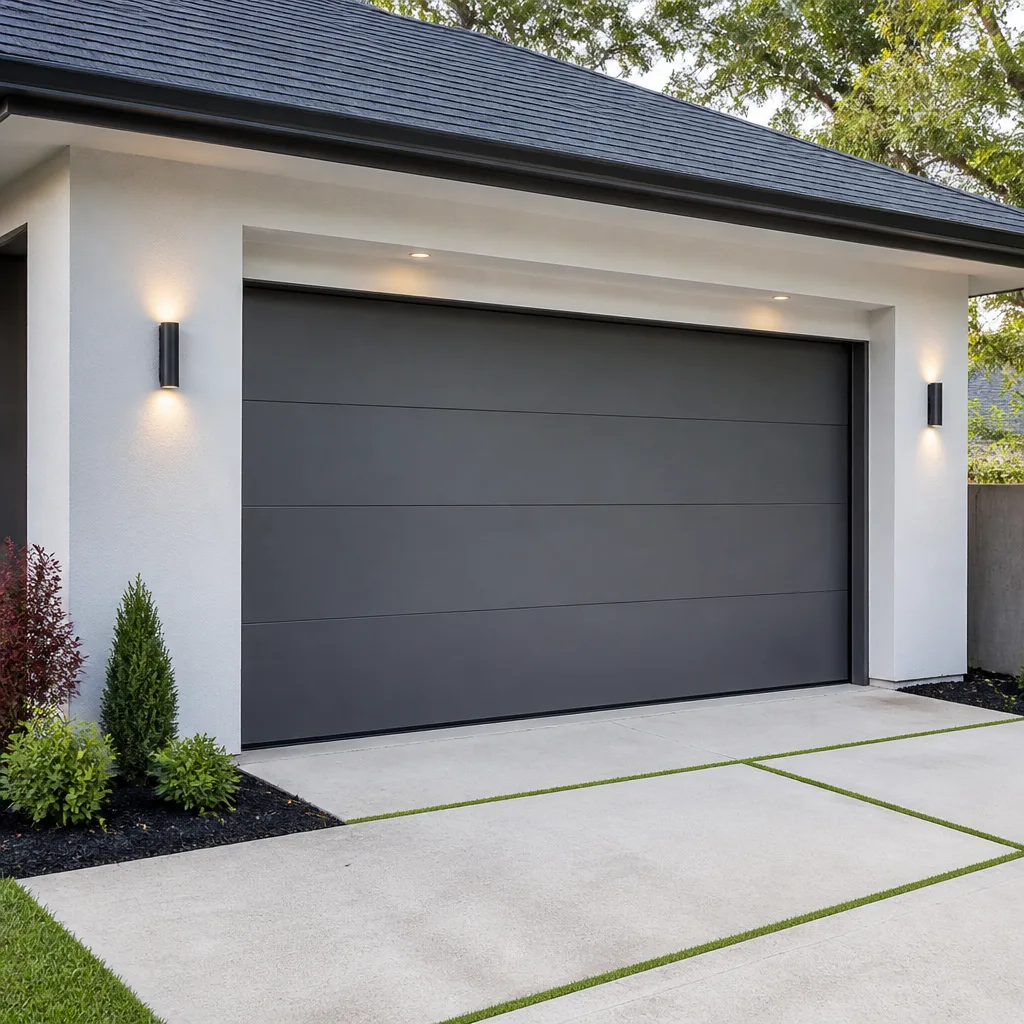 Modern flush
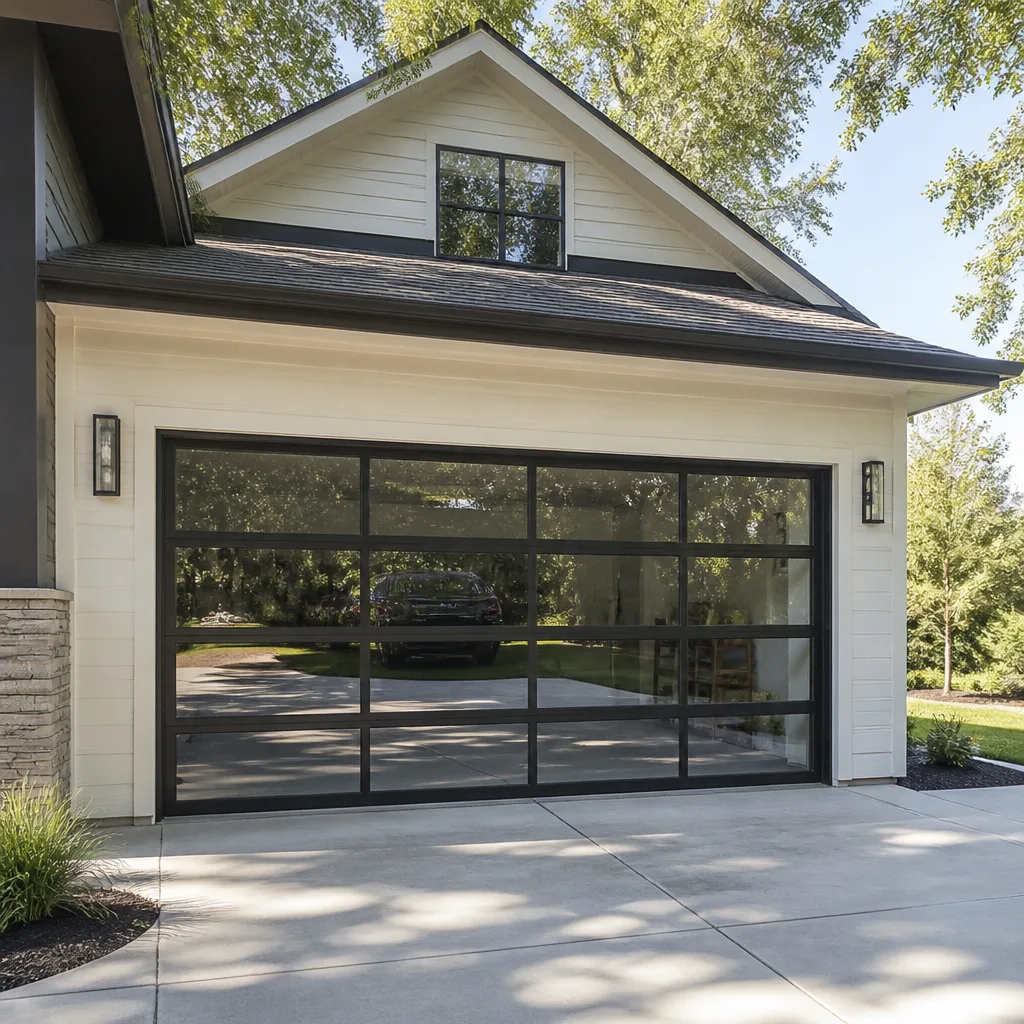 Full-view glass
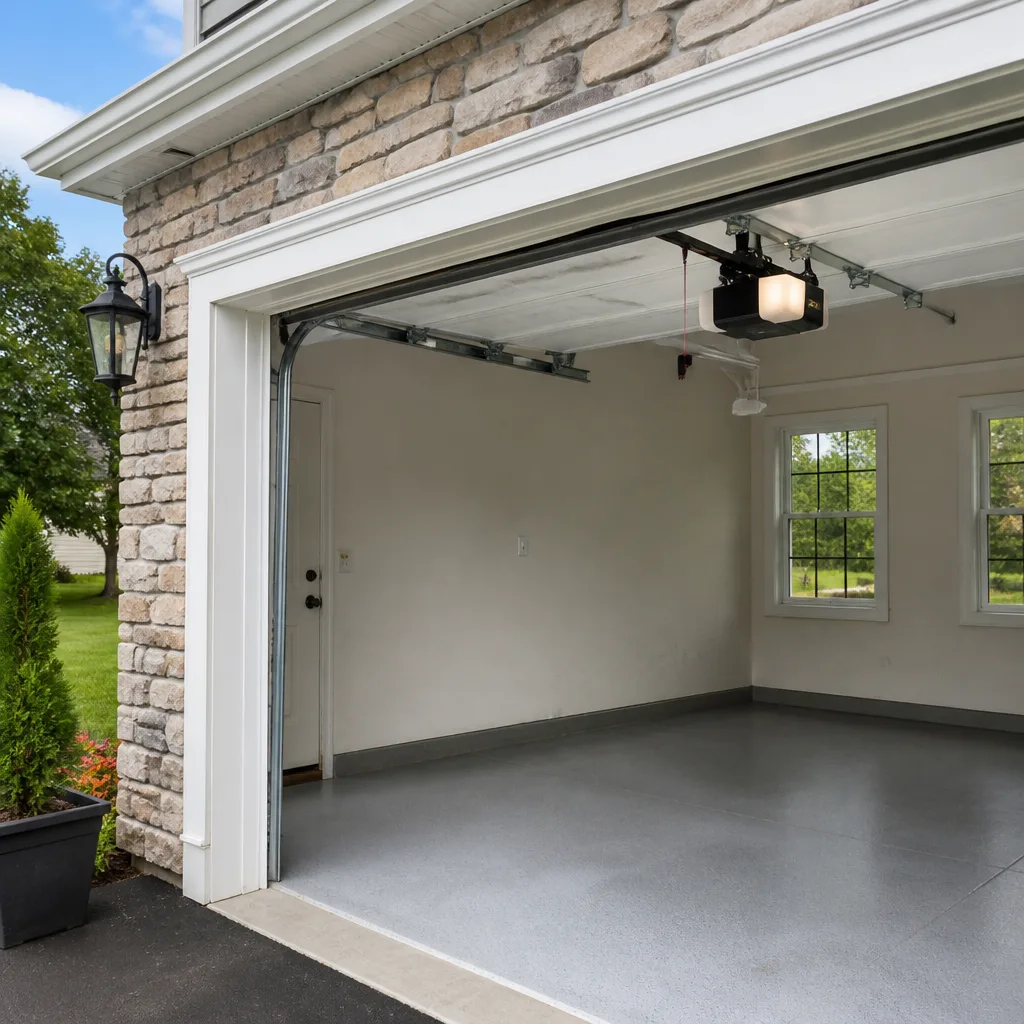 LiftMaster openers
 Chamberlain openers
Full 25-point door and opener safety check with every visit - springs, cables, rollers, tracks, and your LiftMaster or Chamberlain opener included
You get a price before we start. It does not change when the pro arrives.
Get your free estimateSeasonal Garage Door Care for West Roxbury: Year-Round Homeowner’s Guide
Most homeowners treat garage door maintenance as a single fall task, one Saturday spent oiling a few moving parts before the cold arrives. That’s understandable, but it doesn’t match how doors actually fail around here. West Roxbury averages roughly 48 inches of snow per season, and the damage that lands on your door isn’t spread evenly across the calendar. Winter does the heaviest work, and summer is when the strain from the months before finally shows up. This guide lays out the year the way the weather actually treats a door in West Roxbury, with the specific checks that matter most in each season.
Quick Answer
Seasonal garage door care in West Roxbury works best when the calendar is weighted toward winter, not split into four equal quarters. Do the substantial prep in fall, watch the door closely through January and February, inspect tracks and hardware as the ground thaws, then address lubrication and sensor drift in summer heat. A 30-minute fall audit and a handful of mid-winter checks prevent most cold-morning failures.
Styles & brands we work with
- Raised-panel steel
- Carriage house
- Modern flush
- Full-view glass
- LiftMaster openers
- Chamberlain openers
Table of Contents
- Why Fall Prep Carries More Weight in West Roxbury
- Mid-Winter Protocol: Checking the Door After Snow Events
- Spring Thaw Inspection: What Frost Heave Does to Your Tracks
- Summer Heat: What It Does to Steel and Aluminum Panels
- The 30-Minute Fall Pre-Winter Audit
- Which Parts to Lubricate and When
- When a Seasonal Check Becomes a Repair Call
- A Month-by-Month Summary
Why Fall Prep Carries More Weight in West Roxbury
The garage door fails more often in January and February than in any other stretch of the year, and the reasons stack on top of each other. Cold contracts the metal of a torsion spring, which changes its tension. Ice accumulates on the bottom edge of a door and adds weight the spring was never calibrated for. The opener pulls at maximum load while the temperature is at its lowest. All three conditions hit at once.
That’s why the fall prep window matters more than any other. What you set up before the first hard freeze determines how the door behaves through the worst of it. A clean, well-balanced door with a healthy bottom seal sits far lower on the risk curve than one that entered November with a worn weather strip and a stretched spring.
West Roxbury sits in the Boston freeze-thaw band, and that cycle is harsh on doors that don’t get attention before the cold sets in. Around the neighborhoods here, including the older homes along the Centre Street corridor near the West Roxbury commuter rail station, doors are typically older and more prone to the slow degenerations that a hard winter finishes off.
What Fall Preparation Should Cover
- Inspect the bottom seal for cracks and gaps, and replace it before freezing temperatures lock the crack in place.
- Check that the door balances properly: disconnect the opener and lower it halfway. It should stay put without drifting.
- Clean and rebalance the tracks with a cloth. Never use grease on the tracks.
- Lubricate springs, hinges, and rollers with a silicone or lithium-based lubricant, not oil-based options that gum up in cold.
- Test the opener’s auto-reverse feature by placing a small board under the door and confirming it reverses on contact.
If your door fails any of these steps before winter, the fix is cheaper now than after a cold snap leaves you locked out of the garage. For a full diagnostic when something seems off, the technicians on our garage door repair side of the business walk through balance, springs, rollers, and opener calibration as a single check.
Mid-Winter Protocol: Checking the Door After Snow Events
After a major snow event, the first thing to check isn’t the door itself, it’s the apron and the tracks. Snow piled against the door’s base can push the bottom seal against the threshold, and when that snow refreezes overnight it acts like a wedge. Ice at the base of the door is the single most common cause of a door that suddenly won’t close all the way.
Clearing the driveway apron and the area directly in front of the track is faster than it sounds and prevents most cold-morning problems in West Roxbury. Get the snow clear while it’s still soft. Chipping ice out of a track with a metal tool can damage the rail surface, so a plastic shovel or a bag of ice melt used carefully is the better move.
How to Check the Door After Snow
- Clear snow and ice from the base of the door and the track rails before operating the opener.
- Look up at the photo-eye sensors on both sides and confirm they’re aligned and clear of snow and ice.
- Run the door slowly up and down by hand once, if the opener permits, to check for grinding or hesitation.
- Listen for a change in the opener motor’s pitch during the first cycle. A louder, higher-pitched sound after cold weather often signals a strained spring or unbalanced door.
- If ice dams have formed at the base, don’t force the door closed. Break up the ice gradually with warm water rather than mechanical force.
Ice dams are the specific trap in West Roxbury because the freeze-thaw cycle refreezes meltwater overnight, every night for weeks. When ice forms against the bottom seal, it stretches the rubber and eventually tears it. A seal that has survived one winter of ice-damming usually starts letting in drafts and water the next.
When to Run the Door by Hand vs. Force the Opener
If the door won’t move smoothly under opener power, the rule is: don’t repeat the attempt. Disengage the opener and operate the door manually by hand. If it moves freely by hand, the problem is likely in the opener itself. If it still fights you, the problem is in the door’s springs or tracks, and the opener shouldn’t be pressed into service as the solution. Using the opener to force a jammed door can strip the gear or burn out the motor.
Ice-damaged seals, snapped springs, and strained openers are all things our garage door opener repair service handles after a winter storm, and calling early usually gets you a faster fix than waiting for the door to fail entirely. Spring-related calls in particular should always go to a professional: torsion springs are under dangerous tension and are not a DIY-safe repair.
Spring Thaw Inspection: What Frost Heave Does to Your Tracks
As the ground thaws in March and April, the soil around a West Roxbury garage foundation shifts, and that shifting pulls at the door’s track alignment. This is called frost heave, and it’s one of the most overlooked causes of doors that suddenly start scraping or hesitating on one side. The door didn’t fail on its own. The ground moved underneath it.
Frost heave is often worse in older driveways, which is most of the housing stock in the neighborhoods around West Roxbury. A door that sat perfectly flush all winter can develop a gap or a sticking point in April, and the fix is usually just a track realignment rather than a new door.
What to Look For at Thaw Time
- A visible gap between the door and the threshold that wasn’t there in February.
- The door dragging or hesitating on one side, especially as it nears the bottom of its travel.
- Cable wear where the cable enters the drum. Fraying or rust streaks on the cables can indicate stress caused by misalignment.
- Bearing plates that look shifted, cracked, or unevenly worn on one side.
- Tracks that appear bent or slightly off the vertical when viewed from the side.
The cable drum and bearing plates are where a hard winter’s damage shows up most visibly. If either is compromised, the door shouldn’t be operated until a technician checks it, because a failing cable can drop the door and cause serious injury.
The One Lubrication Task Before Summer Heat
The lubrication you do in early spring matters because summer heat makes any missed spot expensive. Grease that’s been sitting in cold weather can harden, and if rollers are running dry into June, they’ll wear faster under heat. Silicone-based lubricant sprayed into hinges, rollers, and the torsion spring coils in March or April sets the door up for smoother summer operation. Don’t wait for the first heat wave, which usually forces a rush of calls.
Summer Heat: What It Does to Steel and Aluminum Panels
By June, doors in West Roxbury are being tested by the opposite extreme. Aluminum and steel panels expand in heat, and if a door’s tracks are tight or the balance is slightly off, that expansion is enough to trigger scraping or sticking. You’ll hear the door binding or dragging at its edges on the hottest afternoons and then running fine in the cooler mornings.
If you have a dark-colored door facing directly west or south, you’ll see the most expansion. That’s common in West Roxbury neighborhoods, where a lot of garages face the afternoon sun. The fix isn’t a new door. It’s usually a track adjustment that accounts for the seasonal expansion cycle.
Photo-Eye Drift from Summer Sun
Another West Roxbury summer pattern: changing sun angles drift the alignment of the photo-eye sensors. The sun moving across the sky, combined with the sun’s glare on the sensor lens, causes intermittent failures in the afternoon. A door that works fine all morning and stops closing around 4 p.m. is usually a photo-eye issue, not a door problem. Cleaning the sensor lens and confirming alignment solves most of these.
Opener Thermal Cutoff
Modern openers, including the LiftMaster and Chamberlain units we service most often, are built with thermal overload protection. When the motor runs hot, particularly in a garage that can hit 100°F, the opener shuts itself off rather than overheat. If the opener stops responding and then works fine after the garage cools down, it’s doing what it’s designed to do. Don’t force it back on by cycling the power repeatedly.
Persistent summer thermal cutoffs are a sign the opener is working too hard, which usually points back to a door balance problem or a failing spring. In that case, the right call is diagnostic, not replacement. Our multi-brand fluency across Raynor, LiftMaster, Chamberlain, and Genie openers means we can service the system you have rather than steering you toward a new one.
The 30-Minute Fall Pre-Winter Audit
The fall audit is the single most valuable half hour of garage door maintenance you’ll spend all year. A door that passes this in early October is far less likely to strand you on the first cold January morning in West Roxbury. Set aside the time in early to mid-October, before the first hard frost, and walk through these steps in order.
- Bottom seal check: Run your hand along the base of the door with it closed. A healthy seal contacts the floor evenly. Feel for gaps, cracks, or sections that have flattened out. Replace the seal now if any of those are present.
- Balance test: Disconnect the opener and raise the door to chest height. Let it go. A balanced door stays put. A door that drifts down or up needs spring adjustment, which is a job for a technician, not a homeowner.
- Track inspection: Look at the vertical tracks from all angles, confirming both are parallel. Clean the railing with a cloth to remove debris that will freeze in place. Never grease the tracks.
- Roller and hinge check: Spin the rollers by hand. Any that grind, wobble, or feel stiff need replacement. Check the hinges for worn metal where the roller pins sit.
- Opener calibration: Test the auto-reverse and the pressure sensitivity. In the manual for your opener, you’ll find the adjustment dial or digital setting. Since the door’s weight will change as ice accumulates, calibrating to slightly below the threshold that triggers in September gives you margin in January.
- Sensor alignment: Confirm both photo-eye sensors are level, aligned, and their lenses are clean. Clear low brush or snow-covered objects that might block the beam once snow starts piling up.
- Cable and spring visual: Look for fraying on the cables and rust or gaps on the spring coils. If anything looks compromised, stop operation and call a technician.
- Lubrication: Apply silicone or lithium-based lubricant to the springs, hinges, and rollers.
If any step in the audit turns up a problem you can’t solve with a basic part replacement, that’s the right moment to schedule a service call. The West Roxbury Garage Door Repair technician team walks through these checks as part of standard diagnostics, and because we keep parts on hand rather than on order, a fall call almost always closes out with a fully working door before the first snow.
Track Heating Cable Options for Frost-Prone Aprons
Some West Roxbury driveways develop ice at the garage door apron consistently throughout winter, usually where drainage runs toward the door rather than away. For those spots, an exterior-rated track heating cable run along the apron can prevent the ice buildup that strains seals and sensors. This isn’t a universal product, and the right size and routing depend on the door’s width and the driveway’s slope. If your door has stranded you before, ask a technician during the fall audit whether a heating cable makes sense for your layout.
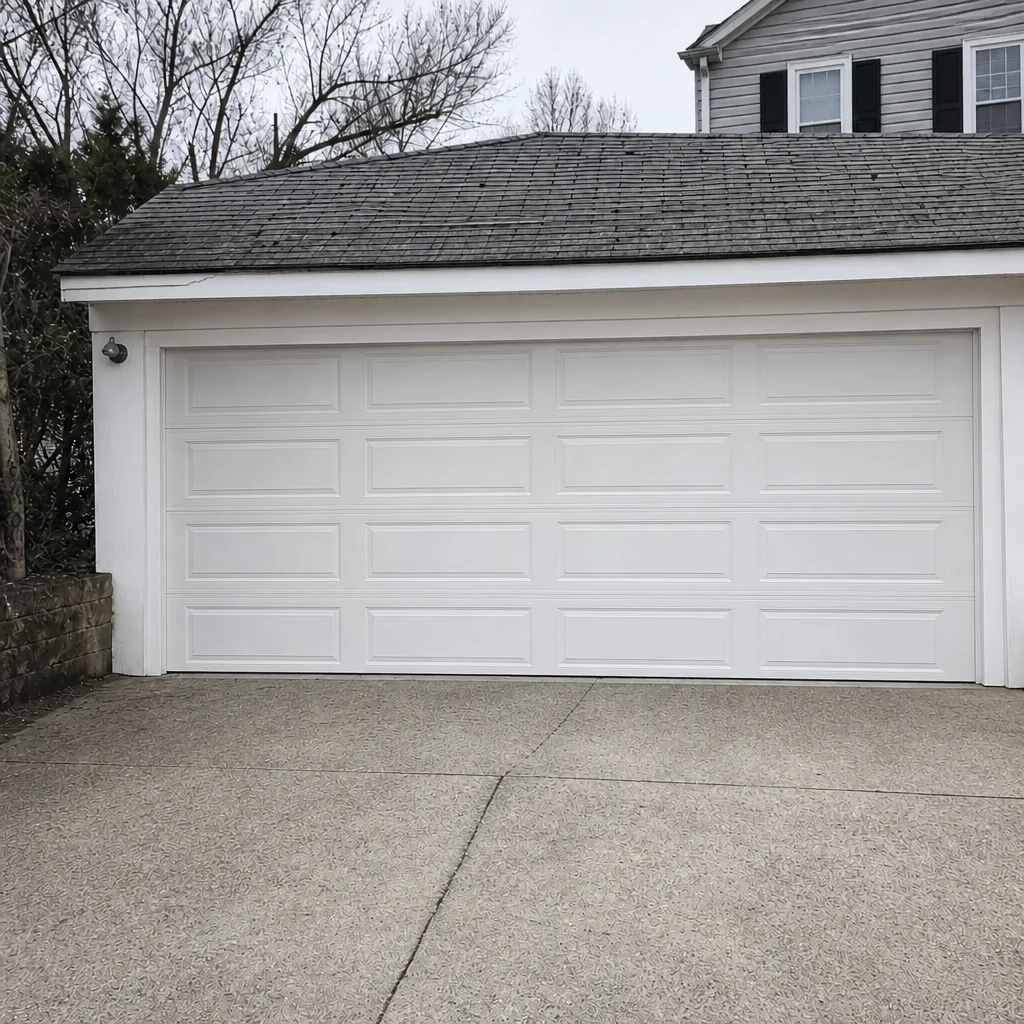
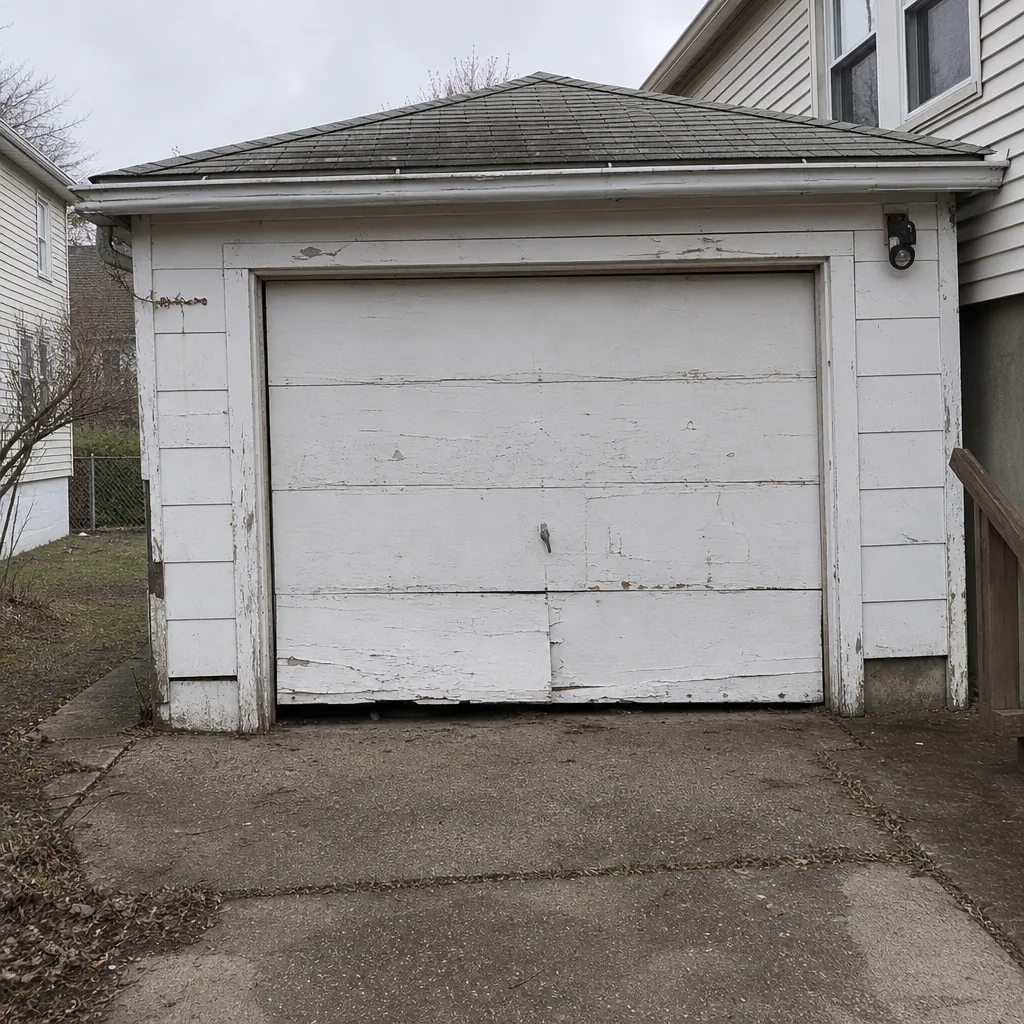
See the difference
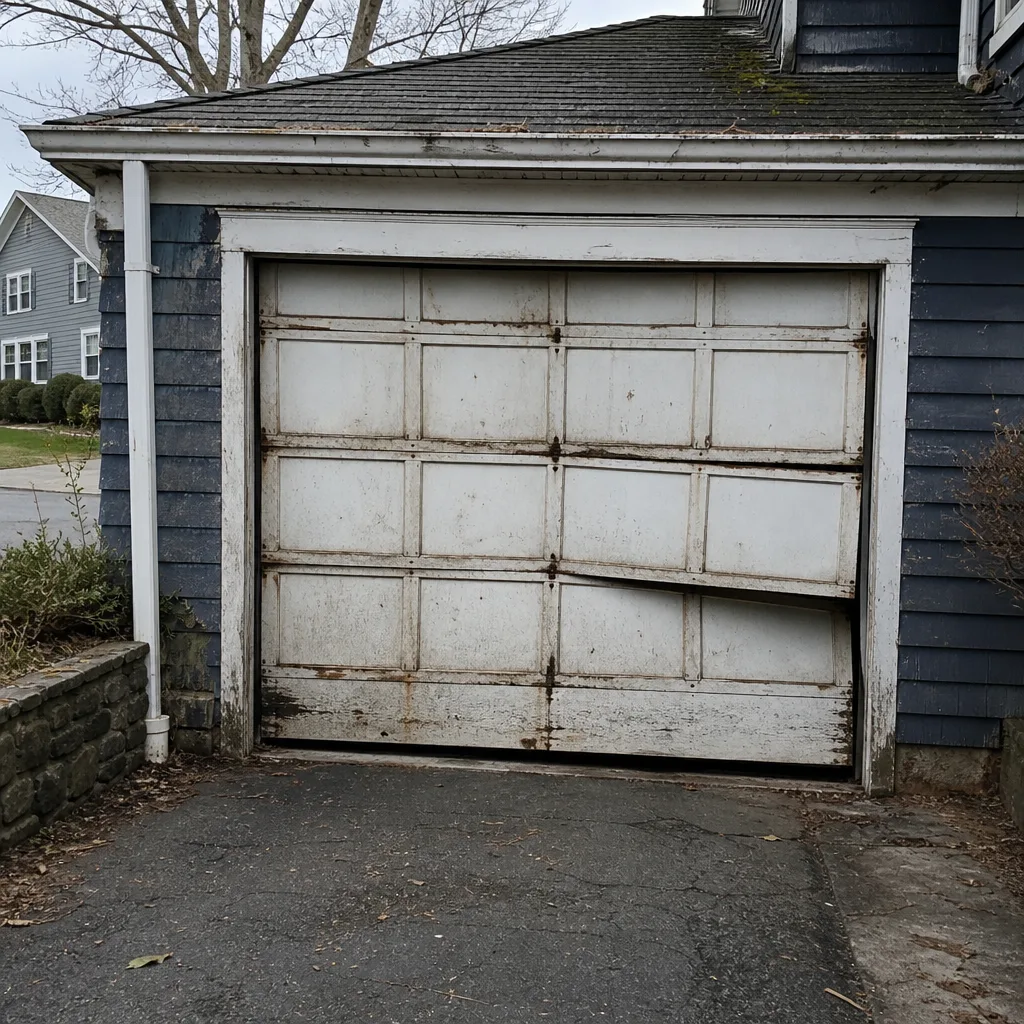 Before
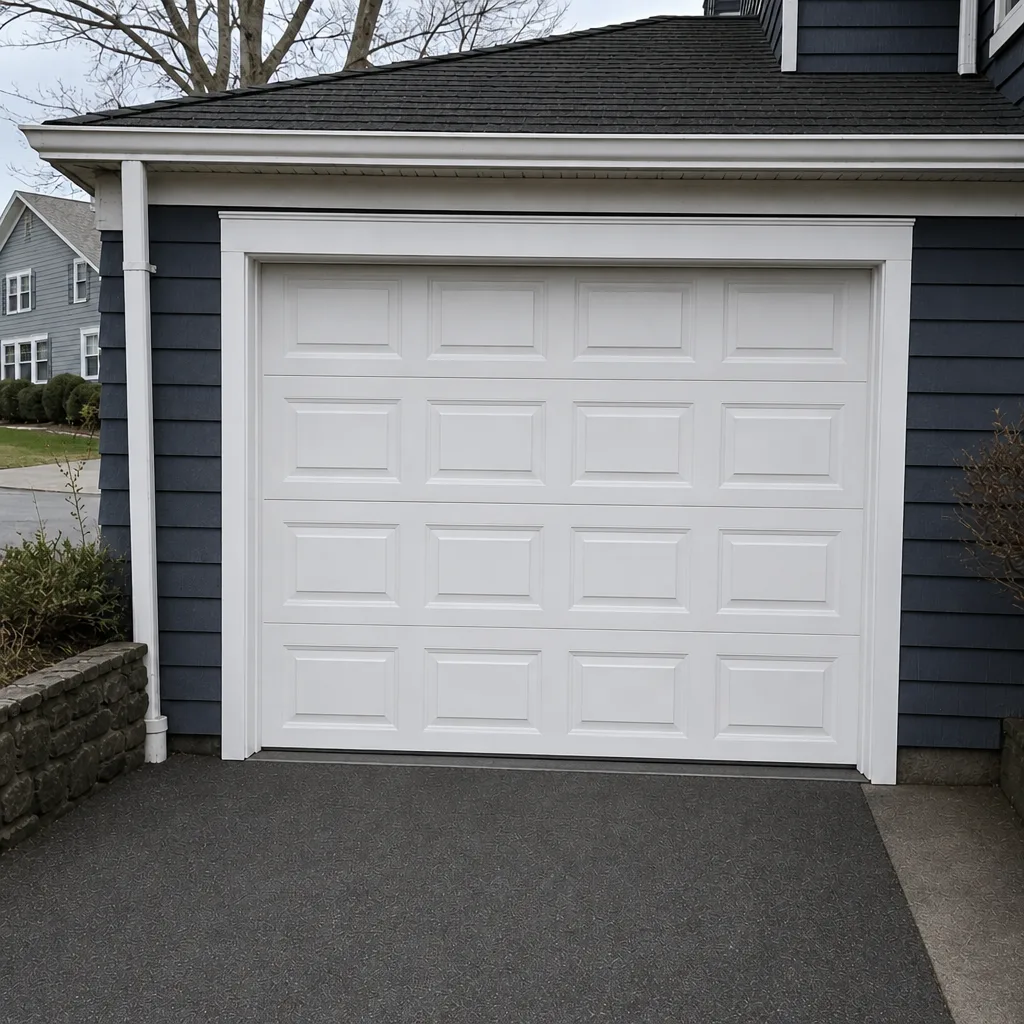 After
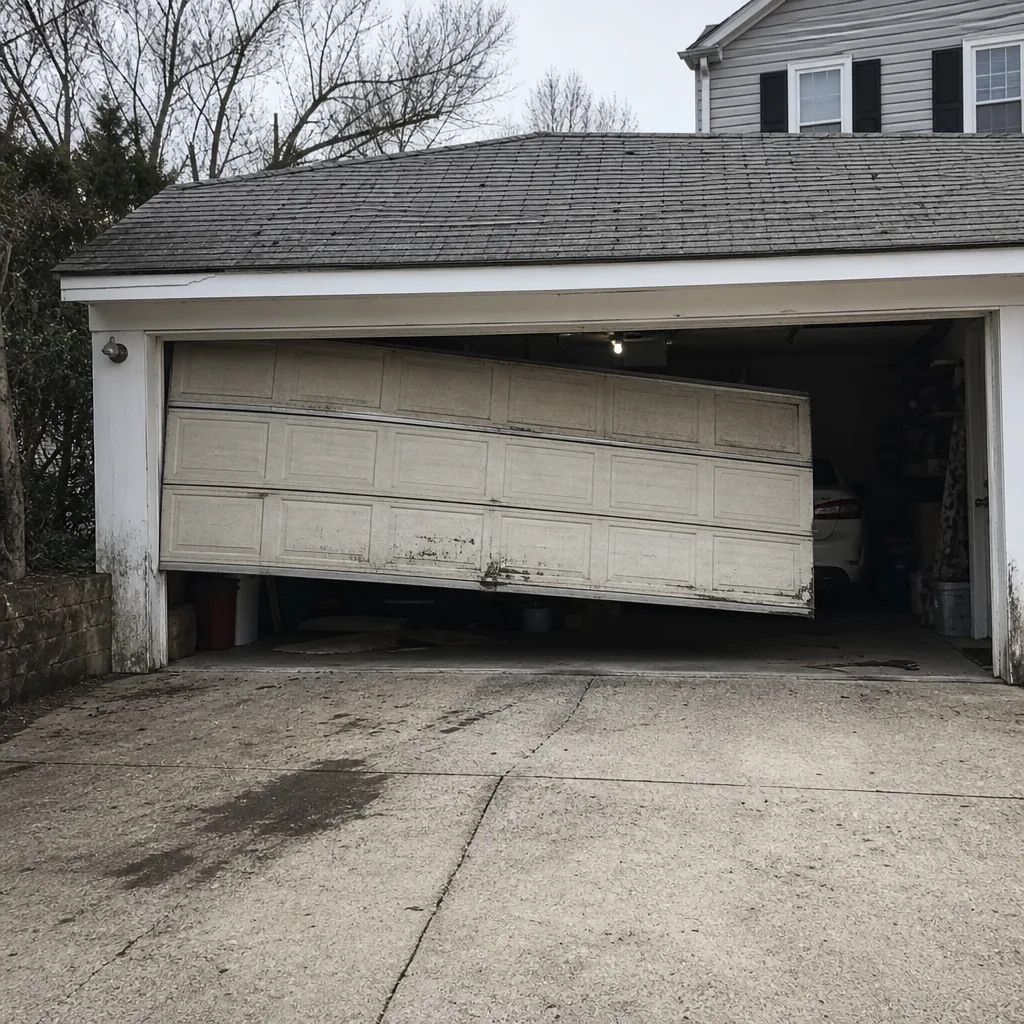 Before
 After
 Before
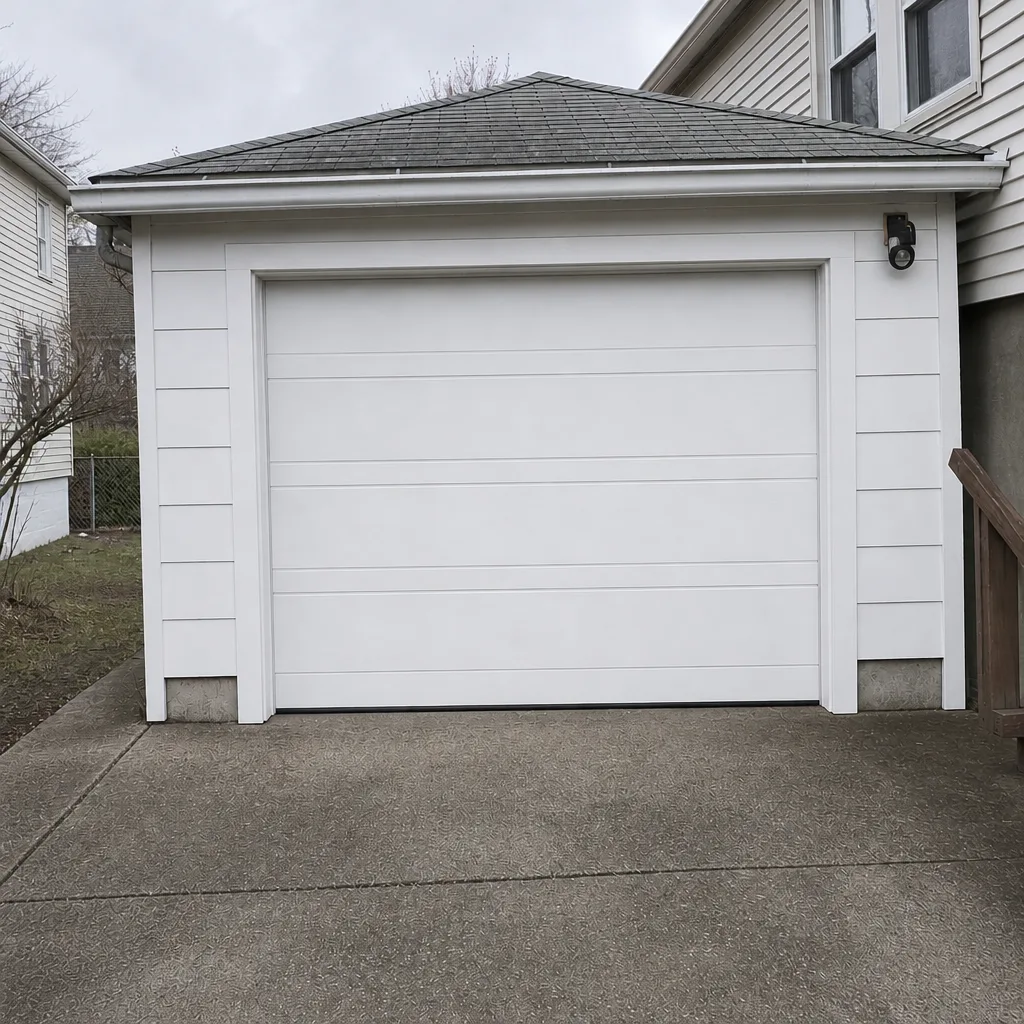 After
Which Parts to Lubricate and When
Knowing which parts to lubricate and which to leave alone matters more than the frequency. The doors in West Roxbury that fail earliest are usually the ones where someone greased the tracks, thinking more lubrication means smoother operation. It does the opposite: grease collects grit and turns the track into sandpaper against the rollers.
Lubricate These
- Hinges: A drop of silicone-based lubricant at the pivot points, twice a year.
- Rollers: A light coat on the stem of each roller, not the wheel itself.
- Torsion springs: A spray of lubricant along the coils in spring and fall. This spreads the coil wear evenly and reduces the squealing that gets worse in cold weather.
- Lock mechanism (if manual): A few drops of lubricant at the keyhole and the bolt mechanism if you have a manual lock on the door.
Never Lubricate These
- Tracks: They should be clean and dry, not greased. Wipe with a cloth, not with lubricant.
- Photo-eye lenses: Clean with a dry cloth. Lubricant attracts dust and reduces sensor effectiveness.
- Bottom seal: Silicone spray on the seal itself can help prevent sticking in summer but not in winter, where it can trap snow and ice. Skip it in cold weather.
Timing the lubrication matters too: do it in early spring and again in early fall. Those two sprays carry the door through the two stress seasons.
When a Seasonal Check Becomes a Repair Call
Most seasonal checks end with a clean bill of health or a small part replacement. Some cross the line into territory where a professional needs to step in. A broken or stretched torsion spring is the clearest example, since the tension stored in it can cause serious injury if handled without proper tooling, and a snapped cable is close behind. Any door that fails the balance test, that grinds or hesitates on one side, or whose opener keeps tripping its safety reverse against adjustment should get a diagnostic from a trained technician.
West Roxbury Garage Door Repair offers free estimates in West Roxbury, and every job is quoted and agreed before any work starts. Our technicians have up to 11 years of experience, and they work on garage doors exclusively rather than splitting time across trades. Call (855) 658-4358 to schedule a seasonal check or a diagnostic.
Frequently Asked Questions
A standard maintenance or diagnostic visit in West Roxbury usually runs in the range of a service call, and the price depends on whether parts are needed. Call (855) 658-4358 for an exact quote, since estimates are free and the written estimate sets the final price.
Replace the bottom seal before the first hard freeze, ideally in early to mid-fall. If you didn’t do it before winter, replace it once the ground thaws in March or April, before the moisture from melted snow works its way under the door.
Regular lubrication and a pre-winter balance check significantly reduce the risk of spring failure, though no maintenance eliminates it entirely. The combination of cold metal contraction and ice-driven weight increase is the main stressor, and a well-maintained door handles that load far better.
Summer heat causes aluminum and steel panels to expand, which tightens tolerances in the tracks and can make the door drag at its edges. If dragging is persistent, schedule a track adjustment rather than waiting for the fall season. Our garage door installation team sees this most often in doors that face south or west.
They need more concentrated attention, especially around the freeze-thaw cycle. The 48-inch average snowfall, along with the repeated thaw-and-refreeze cycle that happens in the Boston area, stresses seals, tracks, and springs far more than a single-season climate does. Fall prep and mid-winter checks matter more here than in most regions.
Worth it for doors that consistently develop ice at the apron and have stranded you at least once. For a door that clears snow normally each season, the cost may not be justified. A technician can tell you in a few minutes if your driveway slope makes a heating cable worthwhile.
Common Mistakes to Avoid
- Greasing the tracks. It feels intuitive, but grease traps grit and grinds rollers down faster than dry rails. Clean them with a cloth, and use no lubricant on the track surface itself.
- Using the opener to test whether the door is jammed. Repeating the cycle every time it fails can strip the gear. If a door is stuck, disconnect the opener and operate manually by hand before doing anything else.
- Ignoring the bottom seal until it tears. A small crack at the corners of the seal becomes a full tear once a winter’s worth of ice refreezes within it. Replace early, not late.
- Waiting until spring to check the tracks after a hard winter. Frost heave realigns tracks in March and April, and a door operated on misaligned tracks through April becomes a repair in May.
- Forcing the auto-reverse sensitivity to be less sensitive. Homeowners sometimes turn down the sensitivity after a false trigger. That’s not fixing the problem, it’s removing the safety mechanism. If it’s tripping regularly, the sensor or door balance is the issue.
- Attempting a spring adjustment without professional tooling. Torsion springs carry dangerous stored force and can cause serious injury when handled without the right tools. Leave any spring work to a trained professional.
- Skipping the fall audit because the door works fine. A door that runs smoothly in October can still have a stretched spring, a worn seal, or a loose track that the cold will expose in January.
A Month-by-Month Summary
- September: Complete the fall audit before the first frost. Replace the bottom seal if any wear is visible.
- October: Recalibrate opener sensitivity slightly below the threshold that triggers in cool weather. Lubricate springs, hinges, and rollers.
- November: Confirm that the driveway apron drains away from the door and not toward it. Clear any accumulated debris from the tracks.
- December through February: After every heavy snow event, clear the base of the door and check the photo-eye sensors. Disengage the opener and run the door by hand at the first sign of dragging.
- March and April: Check for frost heave. Inspect tracks, cables, and bearing plates. Re-lubricate rollers and hinges.
- May and June: Clean photo-eye lenses. Watch for summer panel expansion and track drag on hot afternoons.
- July and August: If the opener is thermal-cutting out on hot days, get a diagnostic rather than continuing to cycle power.
The Bottom Line
Seasonal garage door care in West Roxbury is not a four-equal-seasons routine. It’s a winter-weighted calendar. Fall prep matters most, mid-winter checks prevent the worst failures, and spring and summer inspections catch what winter left behind. A skilled technician can handle the parts that aren’t safe for homeowners, especially anything involving springs or cables. The two things you control are the pre-winter audit and the after-snow checks. Those alone prevent a large share of January failures. Everything else is follow-through.
Call West Roxbury Garage Door Repair at (855) 658-4358 for a free estimate on a seasonal check, repair, or a full installation. We’ll confirm what your door needs, quote it before any work begins, and get it ready for whatever season is coming next.
Written by the team at West Roxbury Garage Door Repair.