Last updated November 21, 2026
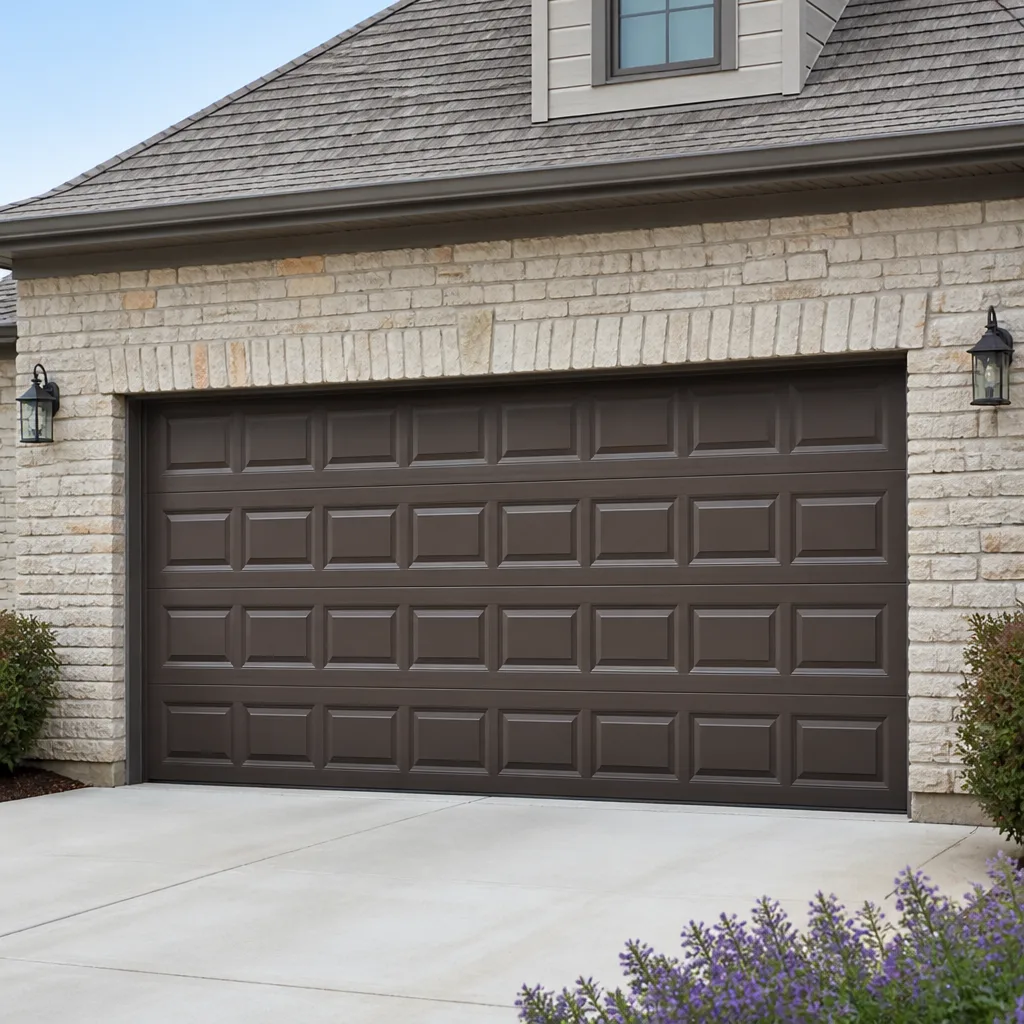 Raised-panel steel
 Carriage house
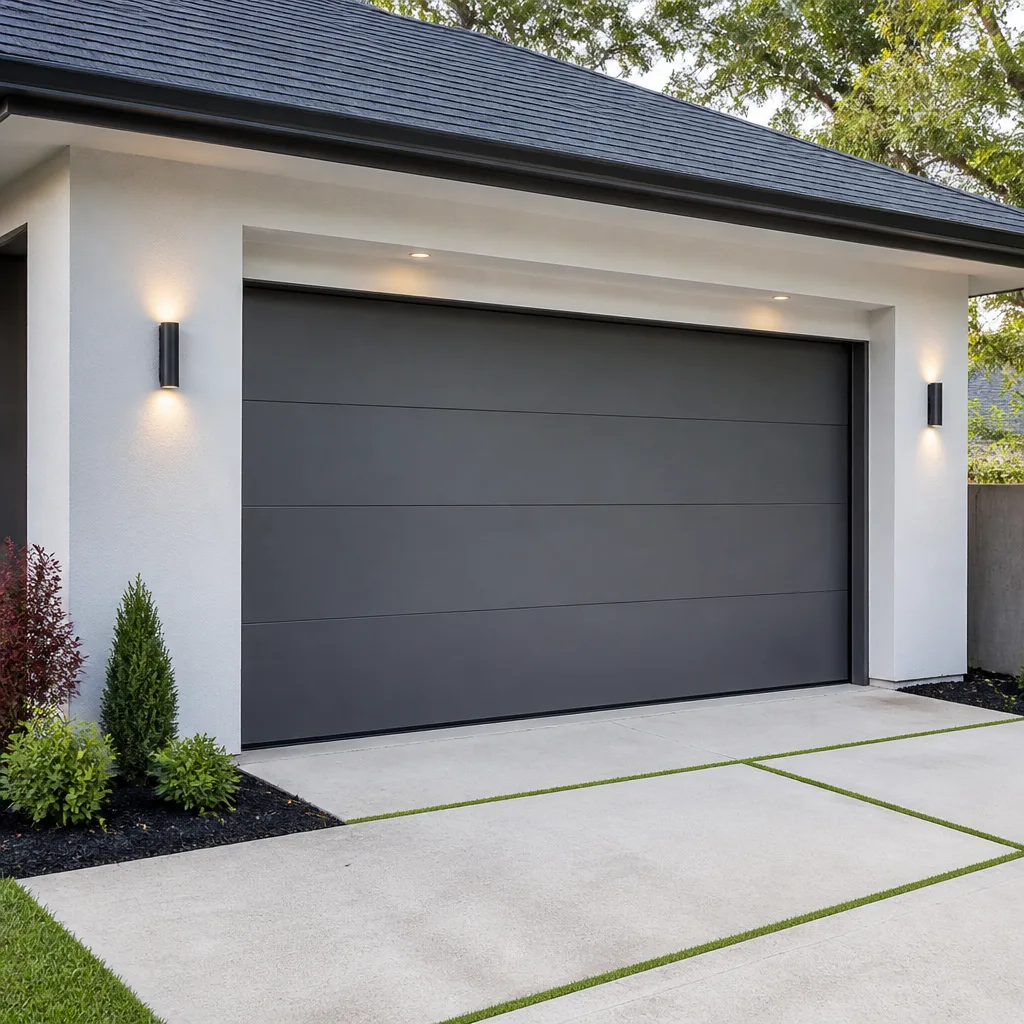 Modern flush
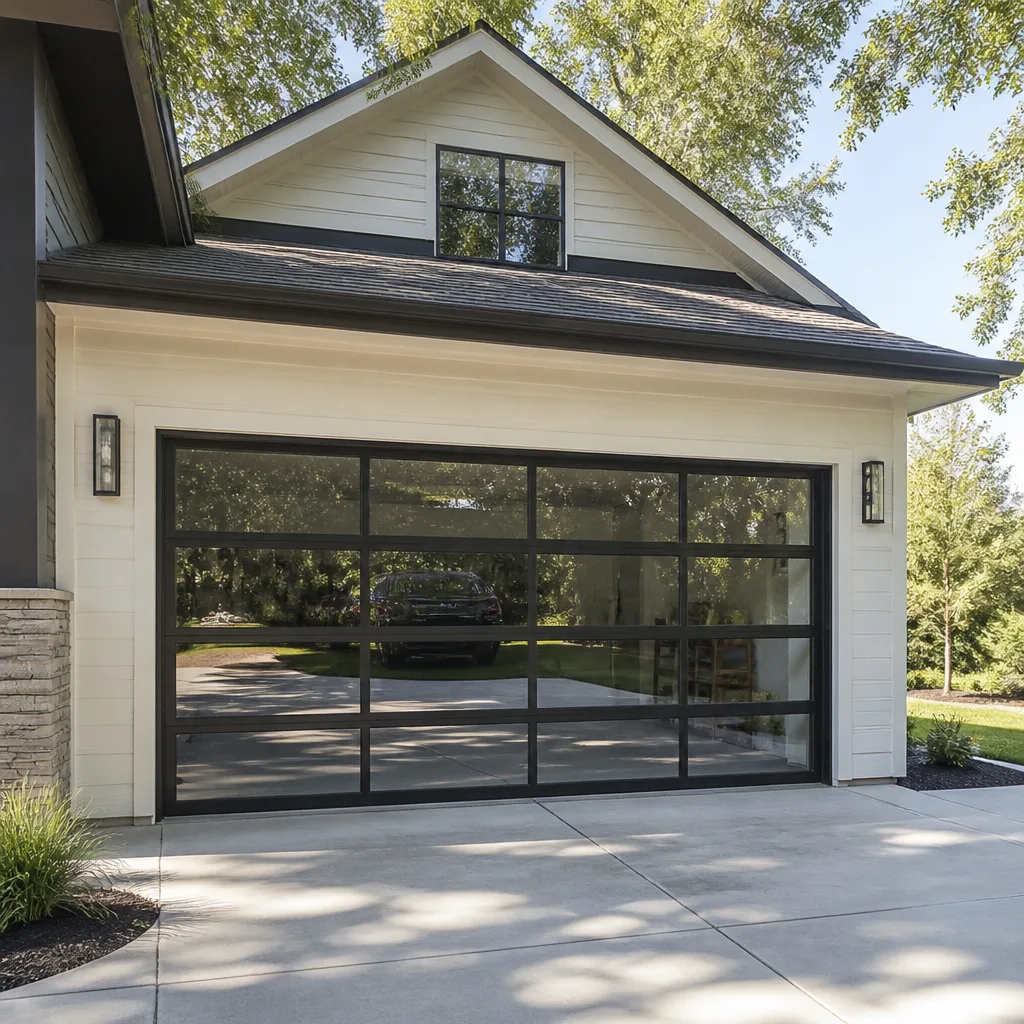 Full-view glass
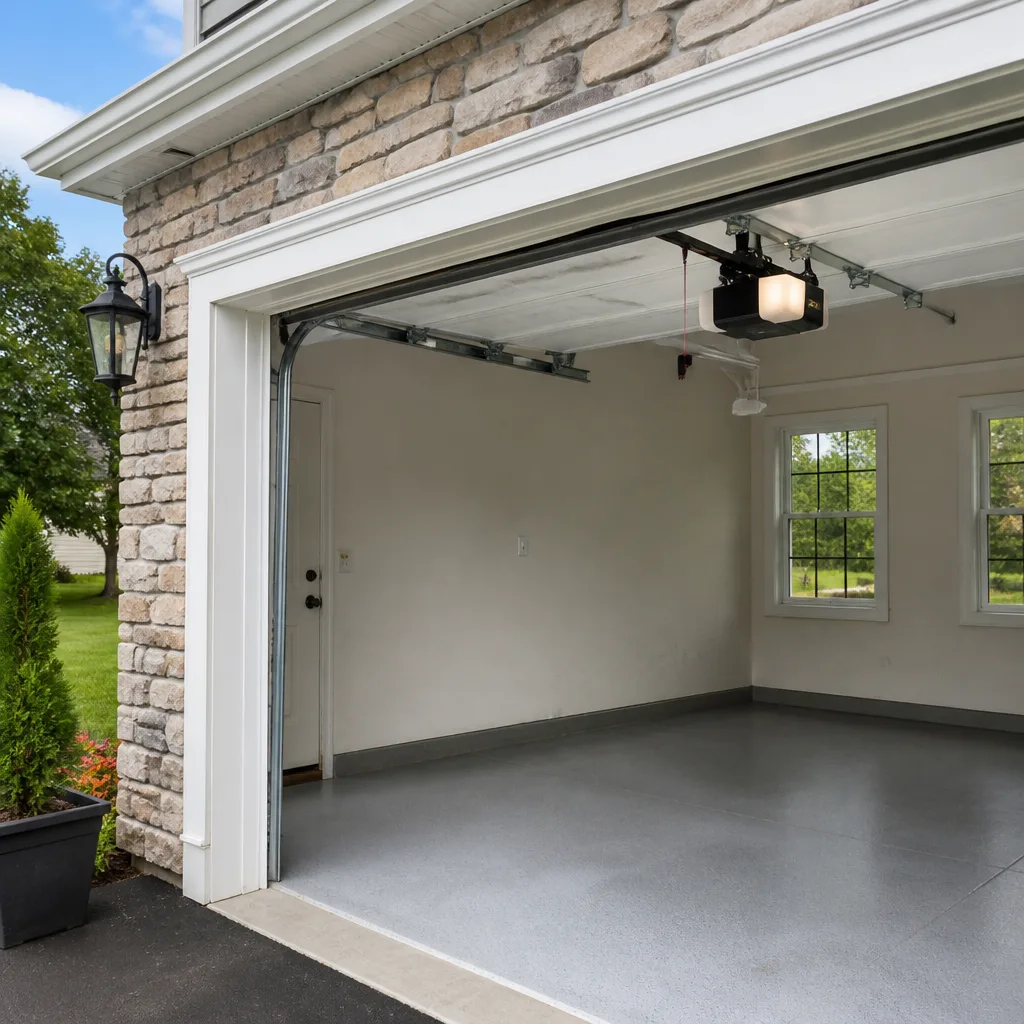 LiftMaster openers
 Chamberlain openers
Full 25-point door and opener safety check with every visit - springs, cables, rollers, tracks, and your LiftMaster or Chamberlain opener included
You get a price before we start. It does not change when the pro arrives.
Get your free estimateDIY vs Professional Garage Door: The West Roxbury Homeowner’s Decision Guide
A torsion spring stores a significant amount of energy in a tight coil. When it breaks or gets wound wrong, it doesn’t bend or sag politely – it releases that stored energy at once, and anything in its path moves fast. That’s not a scare tactic. It’s the reason the DIY vs. professional question for garage doors has a completely different answer than it does for painting a room or swapping a light fixture. You can watch a video and repaint a wall with zero risk. A garage door is a balanced mechanical system under constant tension, and getting one part wrong throws off every other part.
This guide draws the line clearly – not by skill level, but by mechanical risk and liability. We’ll show you exactly which tasks you can safely handle yourself in West Roxbury, which ones need a trained technician, and how to think about the cost math when a repair goes sideways.
Quick Answer
Homeowners can safely DIY weatherstripping, sensor realignment, lubrication, the manual release, and basic opener programming. Torsion spring work, cable replacement, and track realignment should always go to a trained technician – not because of skill, but because those components store or transfer dangerous force. For anything involving springs or cables in West Roxbury, call a professional.
Styles & brands we work with
- Raised-panel steel
- Carriage house
- Modern flush
- Full-view glass
- LiftMaster openers
- Chamberlain openers
Table of Contents
- What Garage Door Tasks Can You Safely DIY?
- What Garage Door Tasks Require a Professional?
- Does DIY Actually Save Money? The Cost Math
- Why West Roxbury Doors Need Precise Spring Tension
- Already Started a Repair? How to Hand It Off Cleanly
- What Tools and Parts You Actually Need
- Common Mistakes to Avoid
- When to Call a Professional
What Garage Door Tasks Can You Safely DIY?
There’s a real list of jobs that belong in your hands, and doing them keeps your door quieter and your opener working longer. None of these involve the springs, cables, or the door’s counterbalance system. Everything below is accessible from the floor, requires no specialty tooling, and carries no stored-energy risk.
Weatherstripping replacement. The rubber seal along the bottom of the door and the strips around the frame wear out, crack, and let cold air and moisture in. Buy a replacement seal sized to your door, pull the old one out of its track, and slide the new one in. A few minutes with a screwdriver handles most frame seals.
Safety sensor realignment. If the door reverses for no clear reason, the photo-eye sensors near the floor are probably misaligned or blocked. Wipe the lenses, check that both LEDs are solid (not blinking), and nudge the brackets until they face each other squarely. This fixes most false reversals.
Lubrication. A squeaky door is usually a dry one. Apply a garage-door-specific lubricant to the hinges, rollers, and the torsion spring itself (spray it, don’t touch it), then run the door up and down a few times. Skip the tracks – grease there attracts grit.
Manual release operation. Every homeowner should know where the red release cord is and how to use it. Pull it to disengage the opener so you can lift the door by hand during a power outage. Test that it works while the door is down and the spring tension is doing its job.
Basic opener programming. Pairing a new remote, changing the keypad PIN, or resetting the travel limits is in your owner’s manual and safe to do. If you have a LiftMaster or Chamberlain unit, the programming steps are straightforward once you find the learn button.
If a job isn’t on this list, treat it as professional territory. Our garage door repair team handles the rest.
What Garage Door Tasks Require a Professional?
These tasks aren’t off-limits because homeowners lack intelligence. They’re off-limits because the components involved store or transfer force that can injure you in a fraction of a second, and because specialized tools are the only safe way to control that force. Here’s what we mean, mechanically.
Torsion spring work. A torsion spring is wound with winding bars to a specific number of turns that balances the door’s weight. That stored energy is what lets you lift a 150-pound door with one hand. When a spring breaks or is wound wrong, it releases that energy instantly. Proper winding requires the right diameter bars, a firm grip, and knowing exactly how many turns your door needs – there’s no room for a guess. This is the single most dangerous repair on a garage door.
Cable replacement. The cables run from the bottom corners up to the drums at the ends of the torsion shaft. They’re under constant tension and can whip if they slip. Replacing them safely means relieving spring tension first, then re-tensioning the system correctly afterward. Get the drum seating wrong and the door goes crooked or the cable jumps.
Track realignment. A bent or knocked-out-of-plumb track will bind the rollers and stress the whole system. Straightening it isn’t a matter of tapping with a hammer – the track has to sit plumb and parallel to the door’s travel, or the door binds and the opener strains. This is where a lot of DIY attempts create a bigger problem than they solve.
Panel replacement and bottom-section work. The bottom section carries the cable brackets. Swapping it out means reconnecting a live tension system.
We work the brand you already have, whether that’s a Raynor system with its own hardware or a Genie opener feeding a decades-old door. For opener-specific faults, our garage door opener repair covers the electronics and drive systems.
Does DIY Actually Save Money? The Cost Math
Here’s the uncomfortable part of the DIY vs. professional garage door decision in West Roxbury: on the jobs that matter most, the math rarely favors DIY. Take a torsion spring. You might see a replacement spring online and think you’ve saved the labor. What you’ve actually done is buy a part that requires winding tools you don’t own, calibration you can’t verify, and a repair that carries real injury risk. If the door then hangs crooked or the opener strains, you’re calling a technician anyway – and paying for a diagnosis on top of the original job.
Run the same logic on the tasks that are genuinely DIY-friendly, and it flips. Weatherstripping, sensors, and lubrication cost almost nothing in parts and take minutes, so the saved labor is real and the risk is near zero. That’s the dividing line. Where the part is cheap and the risk is low, DIY. Where the part is dangerous to install or the system needs calibration, professional.
The other cost people forget is diagnostic. A partial DIY attempt that leaves the door out of balance makes the real problem harder to find. A technician now has to figure out what you changed as well as what broke, and that adds time to the visit.
If you’re weighing a larger decision, our garage door installation guide covers when a door is worth repairing versus replacing. Pricing on any repair is quoted and agreed before work starts.
Why West Roxbury Doors Need Precise Spring Tension
West Roxbury homes sit in a climate that moves ground and ages hardware in ways that make spring calibration touchier than it is in newer, warmer builds. When the ground freezes and thaws through the winter, driveways and the slabs under garage doors shift, and that shift can knock a track slightly out of plumb. A door that was perfectly balanced when the ground was stable can start rubbing, and then the springs have to work against added friction. Get the tension wrong on a door like that and it fights you every time it moves.
Plenty of the doors here are older, too – hardware that’s been in place a long time, rollers that have flattened, hinges that have loosened. Older hardware changes how evenly a door’s weight sits, which means the spring has to be matched to the door’s actual current condition, not the condition it was in when it was installed. Precision matters more here than on a clean, new installation, and the margin for a DIY error shrinks.
That’s why our approach is repair first, replace only when necessary. On most West Roxbury doors, careful inspection and correct spring calibration solves the problem without a new door. When a full replacement is genuinely the right call, we measure and schedule it rather than rushing. Bridging the whole topic is our West Roxbury Garage Door Repair main page.
Already Started a Repair? How to Hand It Off Cleanly
So you’ve already gone down the DIY road and hit a wall. Maybe the door won’t balance, maybe you got a sensor working but the opener still runs rough, maybe you bought a part that didn’t fit. It happens, and it’s fixable. The key is to stop, protect the door’s position, and give the technician a clear picture.
- Stop and set the door safely. Lower it fully, disengage the opener if you need to, and don’t run it again until someone qualified looks at it. A door mid-repair shouldn’t be cycled.
- Don’t touch the springs or cables. If you loosened something on the counterbalance system, leave it exactly where it is. Even a half-wound spring stores energy.
- Note what you changed. Write down the parts you replaced, the brands, and where you are in the process. This single note can save significant diagnosis time.
- Tell us the symptom, not just the fix. “The door reverses halfway” gives us more than “I think the sensor is bad.” Both are useful, but the symptom is the honest starting point.
- Keep the old parts. If you removed a component, save it. A technician can often tell from the wear whether it was the real cause or a symptom.
Partial DIY attempts aren’t a problem for us – they’re just information. What slows a visit down is a door that’s been cycled after a bad adjustment, or a caller who can’t tell us which brand part they installed. LiftMaster, Chamberlain, Genie, and Craftsman opener parts all behave a little differently, so knowing the model helps. So does a written estimate before work starts.
What Tools and Parts You Actually Need
The line between DIY-friendly and professional comes down to tools and parts. For the safe jobs, you need a screwdriver, a pair of pliers, a garage-door lubricant, and the right replacement seal. That’s it. For the dangerous jobs, you need winding bars, winding-specific knowledge, and a way to verify the door’s balance afterward – tools most homeowners don’t own and shouldn’t attempt to improvise.
- Weatherstripping: replacement bottom seal, frame seal, screwdriver.
- Sensors: damp cloth, screwdriver for bracket adjustment.
- Lubrication: garage-door-specific spray lubricant.
- Opener programming: owner’s manual, remote or keypad.
- Springs, cables, track: left to a technician with the right tooling.
We supply garage door parts in addition to performing labor, which shortens the wait on repairs that would otherwise depend on a separate parts order, so you’re less likely to be stuck waiting on a component. Parts on hand, not on order, means the repair moves once the technician arrives. We carry LiftMaster and Chamberlain opener components and service doors from the major residential brands, so the fix doesn’t stall waiting for a special order.
Common Mistakes to Avoid
- Attempting torsion springs without winding bars. This is the single most dangerous mistake a homeowner can make. Improvised tools and a coiled spring don’t belong in the same room.
- Greasing the tracks. Lubricant on the tracks collects grit and makes the door roll harder, not smoother. Oil the hinges and rollers instead.
- Forcing a stuck door. If the door won’t lift smoothly, something is out of balance or binding. Forcing it bends rollers, warps tracks, and strains the opener.
- Ignoring a track that’s been knocked out of plumb. After a hard winter in West Roxbury, a shifted slab can push the track out of alignment. Tapping it back by eye rarely holds – it needs a proper check.
- Changing sensors without checking alignment first. Most reversing problems are misalignment or debris, not a failed sensor. Clean the lenses and re-aim before buying parts.
- Tightening the opener’s chain or belt by feel. Too tight and it wears the motor and door; too loose and the door jerks. Follow the manual.
- Running the door after a bad adjustment to “see if it works.” Cycling a door that’s out of balance is how small problems become expensive ones. Stop and call.
When to Call a Professional
Call a technician the moment the problem touches the springs, the cables, or the track alignment – no hesitation. Also call if the door reverses for no clear reason after you’ve cleaned the sensors, if it’s noticeably heavier to lift by hand, if it’s binding on one side, or if the opener runs but the door barely moves. Those symptoms point to a counterbalance problem or a drive fault that a trained eye diagnoses fast. And call if you started a repair and the door no longer balances – a partial fix is easier to finish than to guess at. Our technicians have up to 11 years of experience with these systems.
West Roxbury Garage Door Repair offers free estimates in West Roxbury. For a spring repair or an emergency, we can often reach you the same day, and pricing is quoted and agreed before work starts. Call (855) 658-4358.
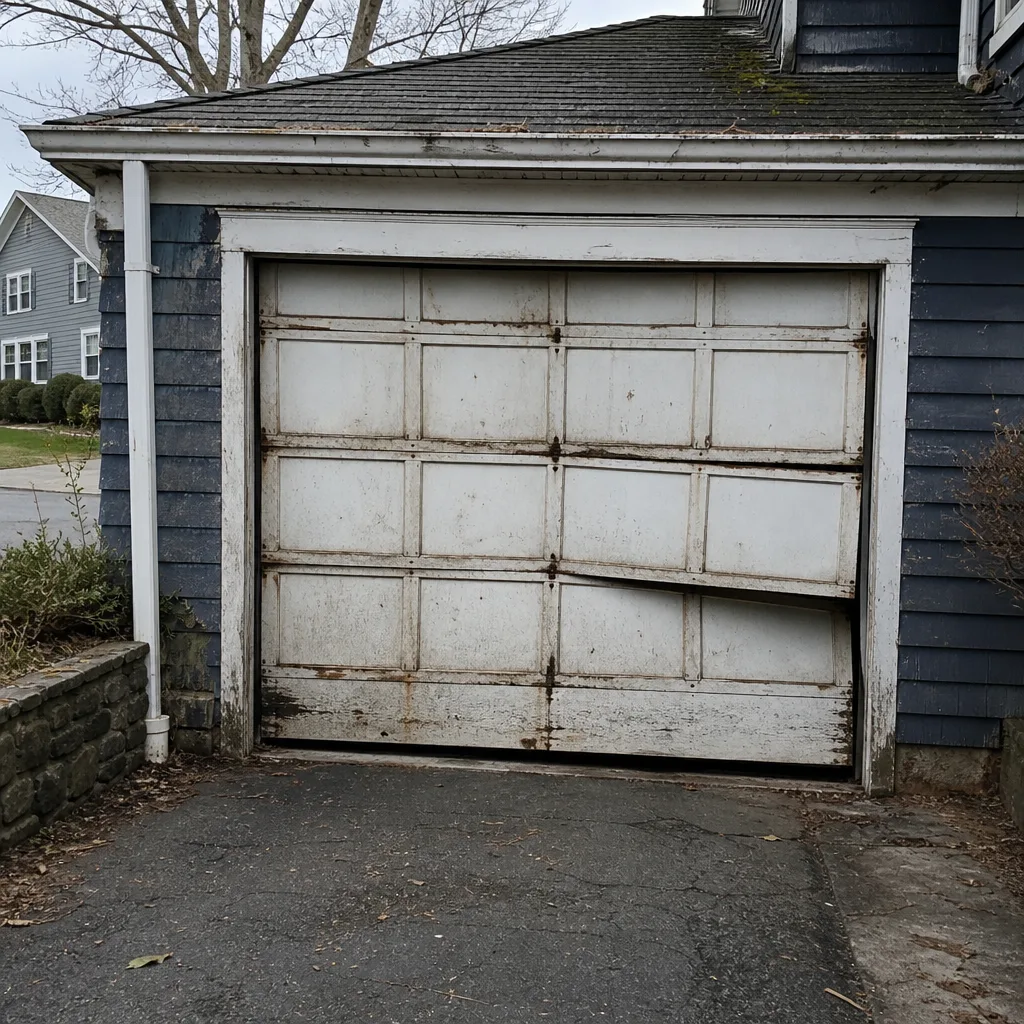
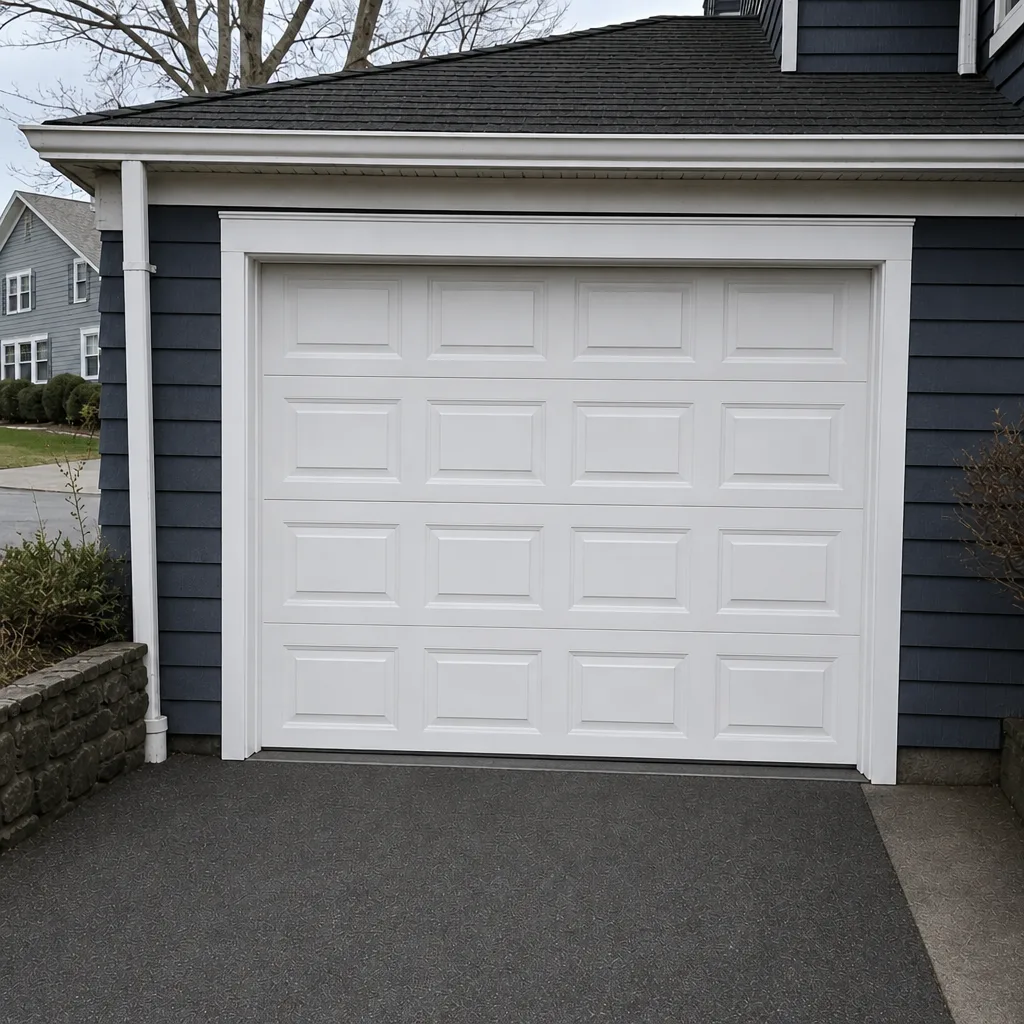
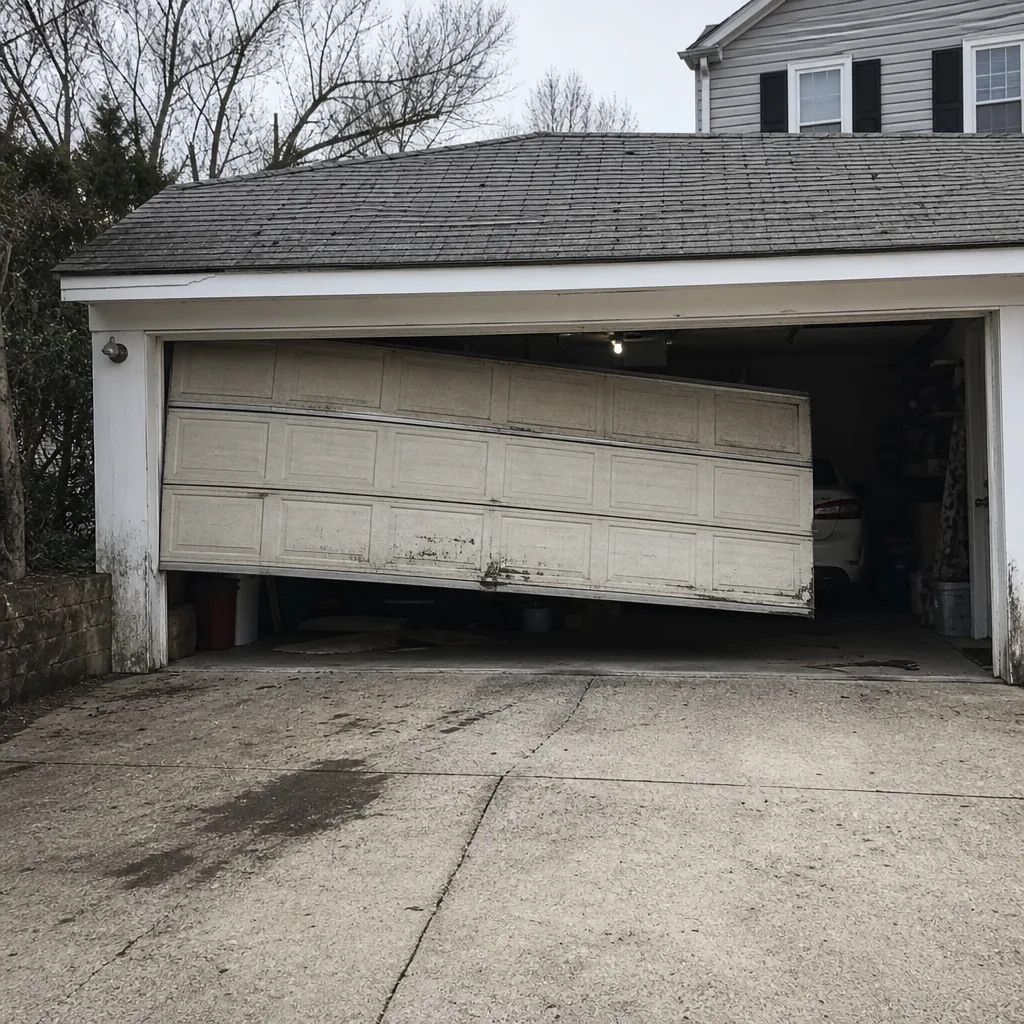
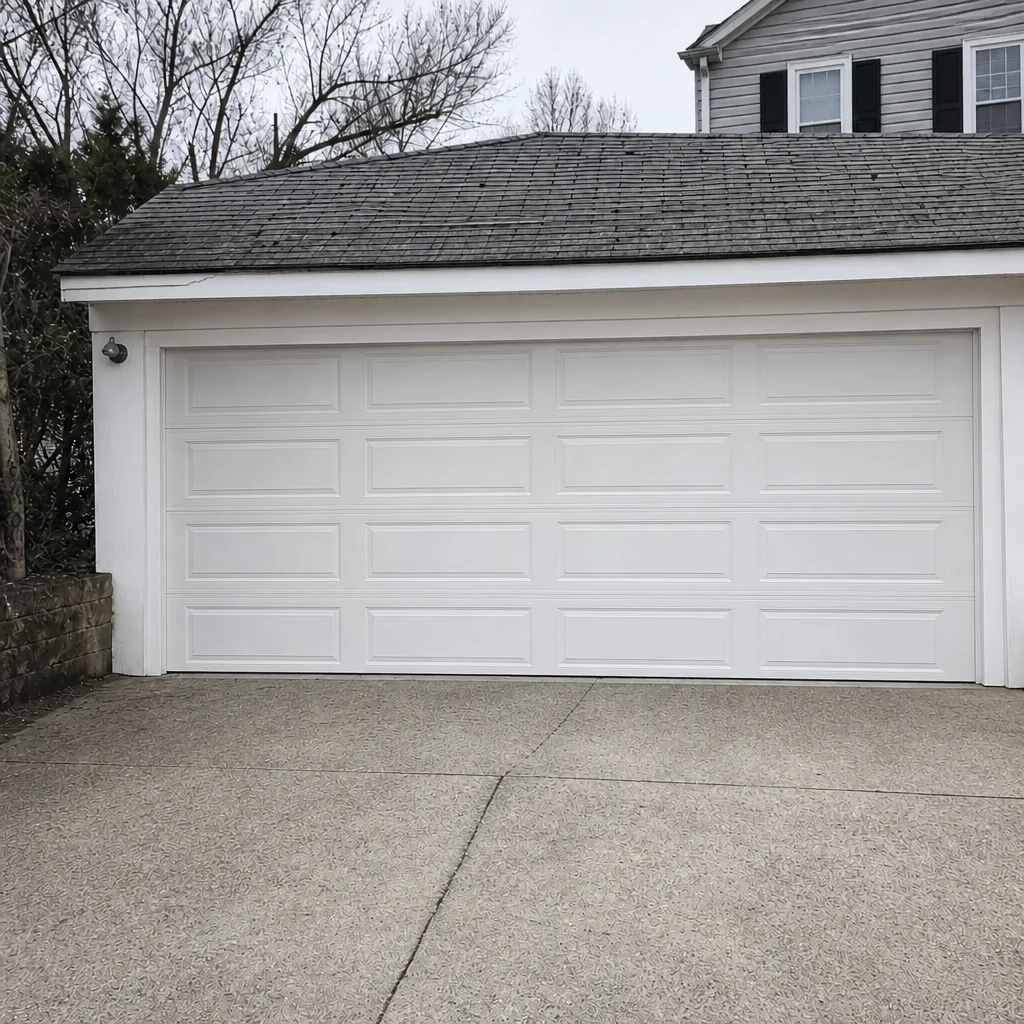
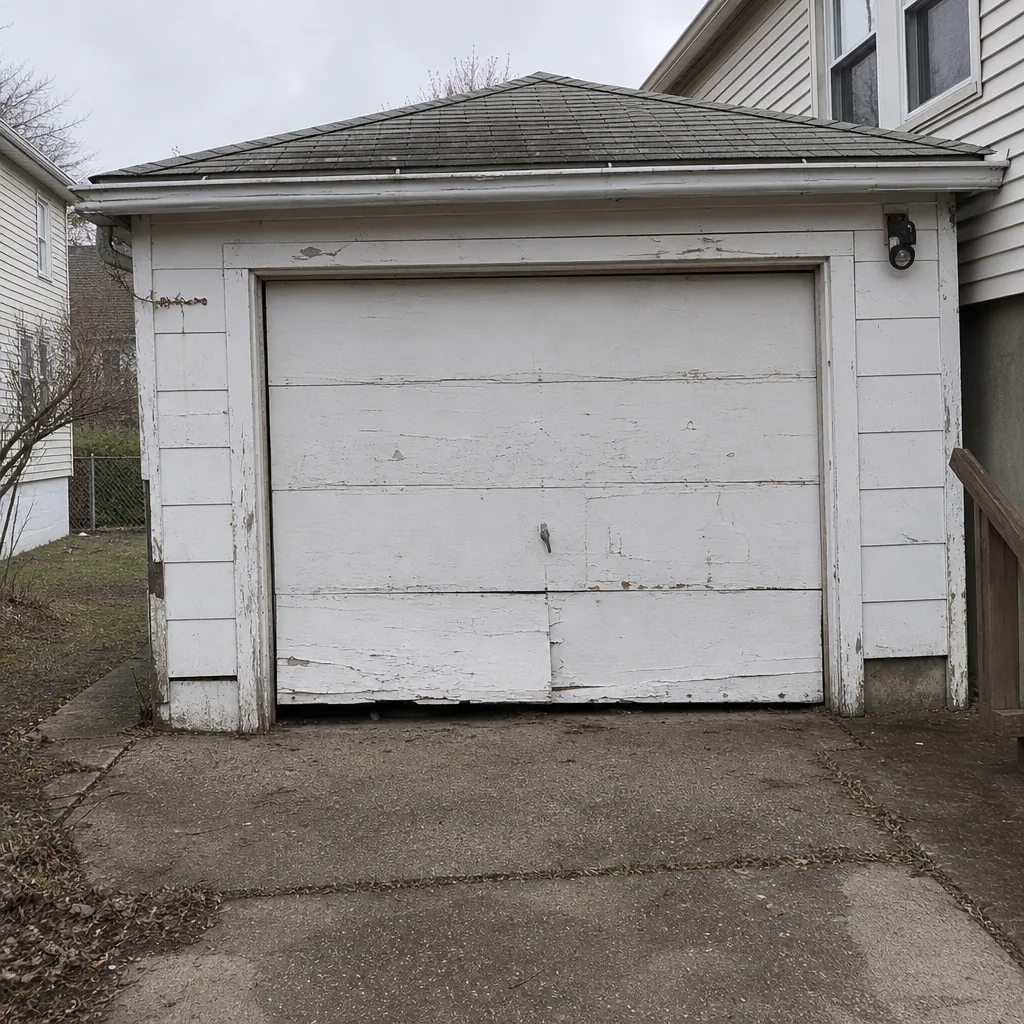
See the difference
 Before
 After
 Before
 After
 Before
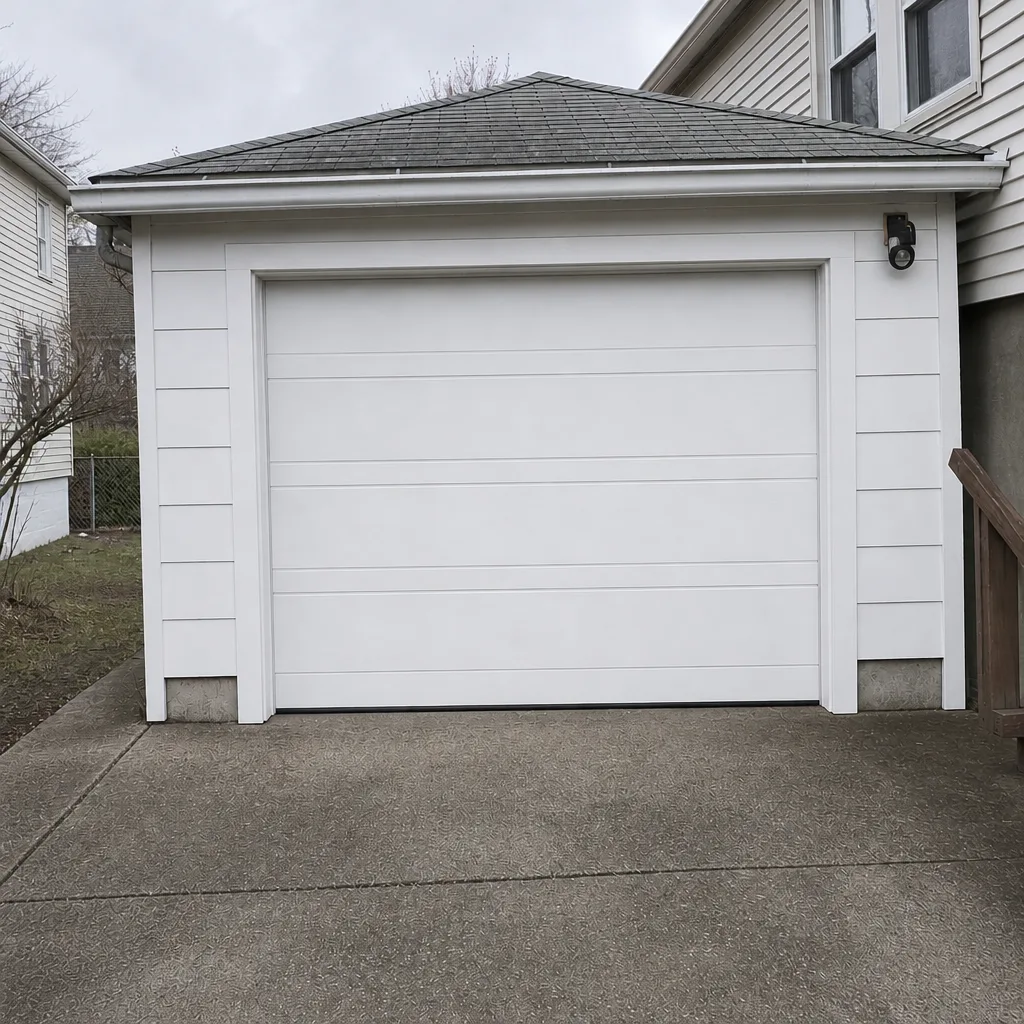 After
Frequently Asked Questions
No – garage door springs should always be replaced by a trained technician. Torsion springs store a large amount of energy, and winding them without the right tools and calibration is genuinely dangerous. The cost math doesn’t favor DIY here either, because a botched spring job usually means a follow-up service call. Call (855) 658-4358 for a free estimate.
You can safely handle weatherstripping replacement, safety sensor realignment, lubrication, the manual release, and basic opener programming. These tasks need only basic tools and don’t touch the springs, cables, or counterbalance system. Anything beyond that belongs with a technician. Call us if you’re unsure which category a job falls into.
It saves money on the safe tasks and rarely saves money on the dangerous ones. Weatherstripping and sensor work cost little in parts and carry no real risk. Spring, cable, and track jobs often add cost when a DIY attempt fails and a technician has to fix the original problem plus the partial repair. Call (855) 658-4358 for an upfront quote before you decide.
Freeze-thaw cycles shift the ground and slabs under West Roxbury doors, which can knock tracks out of plumb and change how evenly the door’s weight sits. Older hardware adds to that. A spring has to be calibrated to the door’s actual condition, so there’s less margin for error than on a newer, clean installation. Ask your city’s building department if a permit is needed for major work.
The written estimate sets the price – you agree to it before any work starts. If a technician finds something that changes the job, you’ll hear about it and approve it first. There’s no invoice surprise after the fact. Call (855) 658-4358 for your free estimate.
The local professionals we connect you with are state-licensed and insured as their state requires. Our technicians have up to 11 years of experience and work exclusively on garage doors rather than splitting attention across trades. Call (855) 658-4358 to book a free estimate.
The Bottom Line
The DIY vs. professional question for garage doors isn’t really about skill. It’s about which components store or transfer dangerous force. Take the safe jobs – weatherstripping, sensors, lubrication, manual release, opener programming – and do them well. Hand the springs, cables, and tracks to someone trained to control that force, especially in a West Roxbury climate where freeze-thaw ground movement and older hardware make calibration less forgiving. If you’ve already started a repair, stop, set the door safely, and tell the technician what you changed. The right answer isn’t always DIY, and it isn’t always a service call. It’s knowing which is which.
Need a hand with a door that’s beyond the safe-DIY line? Call West Roxbury Garage Door Repair at (855) 658-4358 for a free estimate. We work on the brand you already have.
Written by the team at West Roxbury Garage Door Repair.