Last updated November 21, 2026
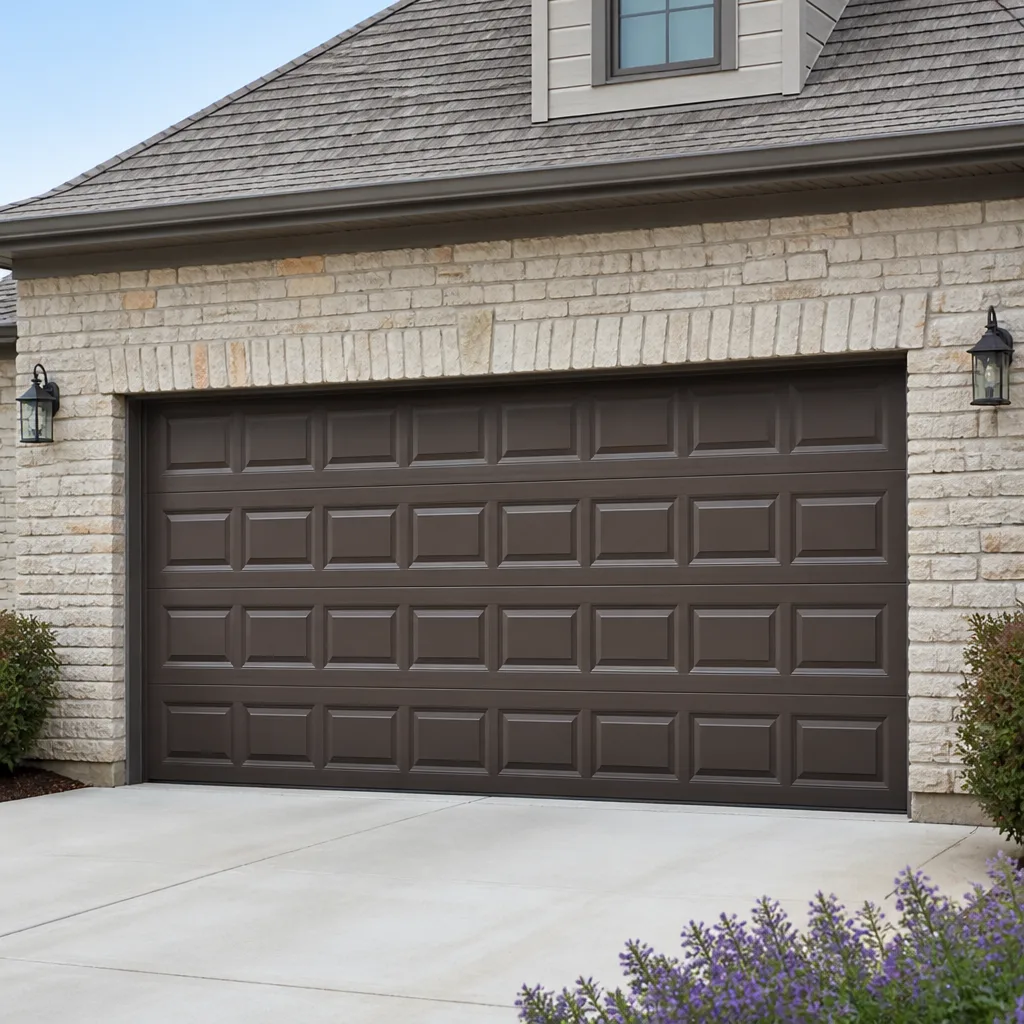 Raised-panel steel
 Carriage house
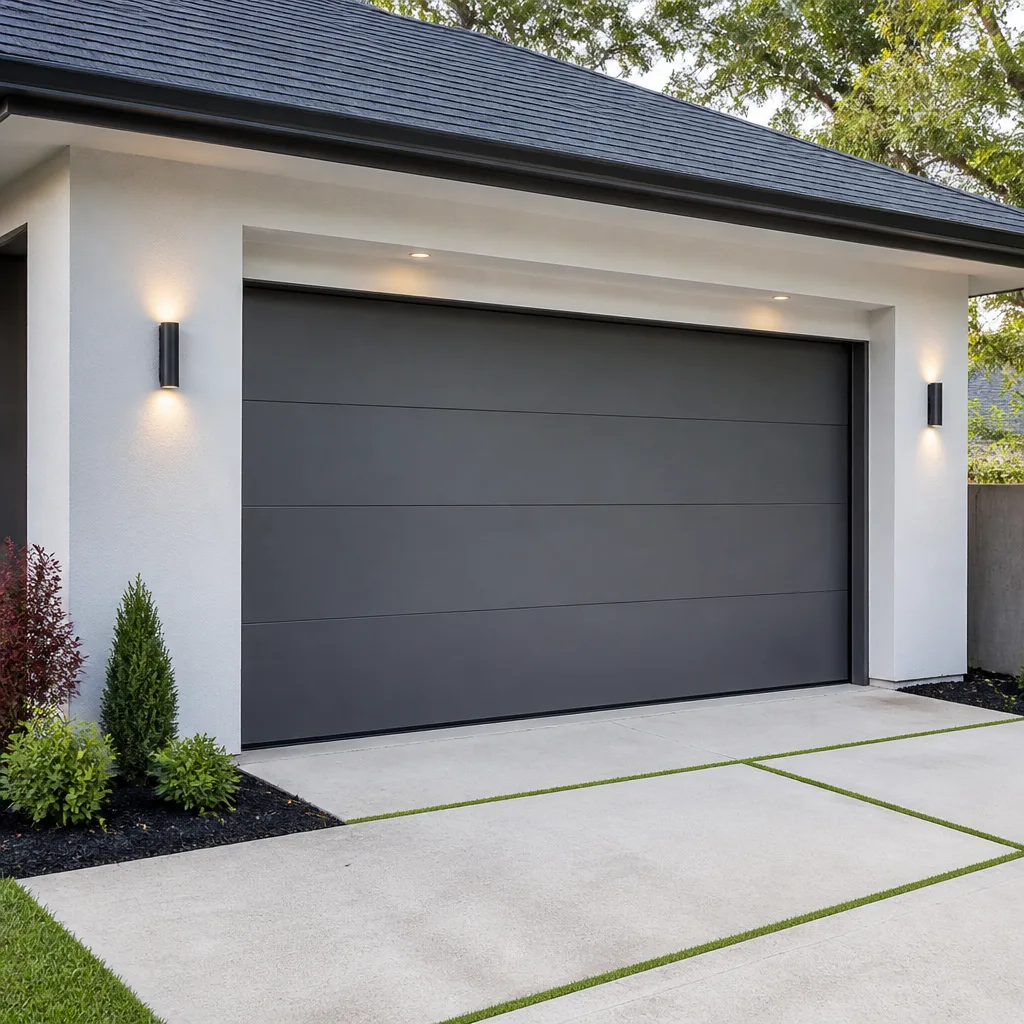 Modern flush
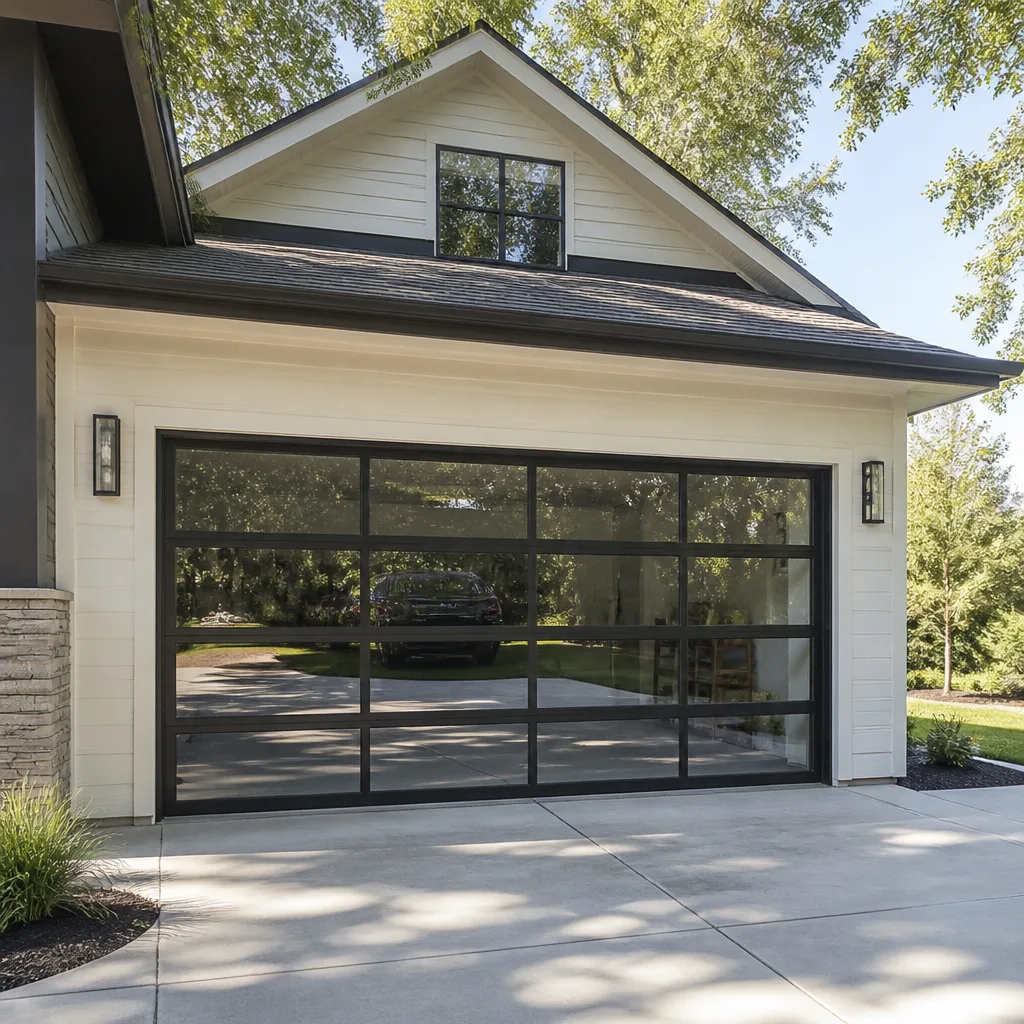 Full-view glass
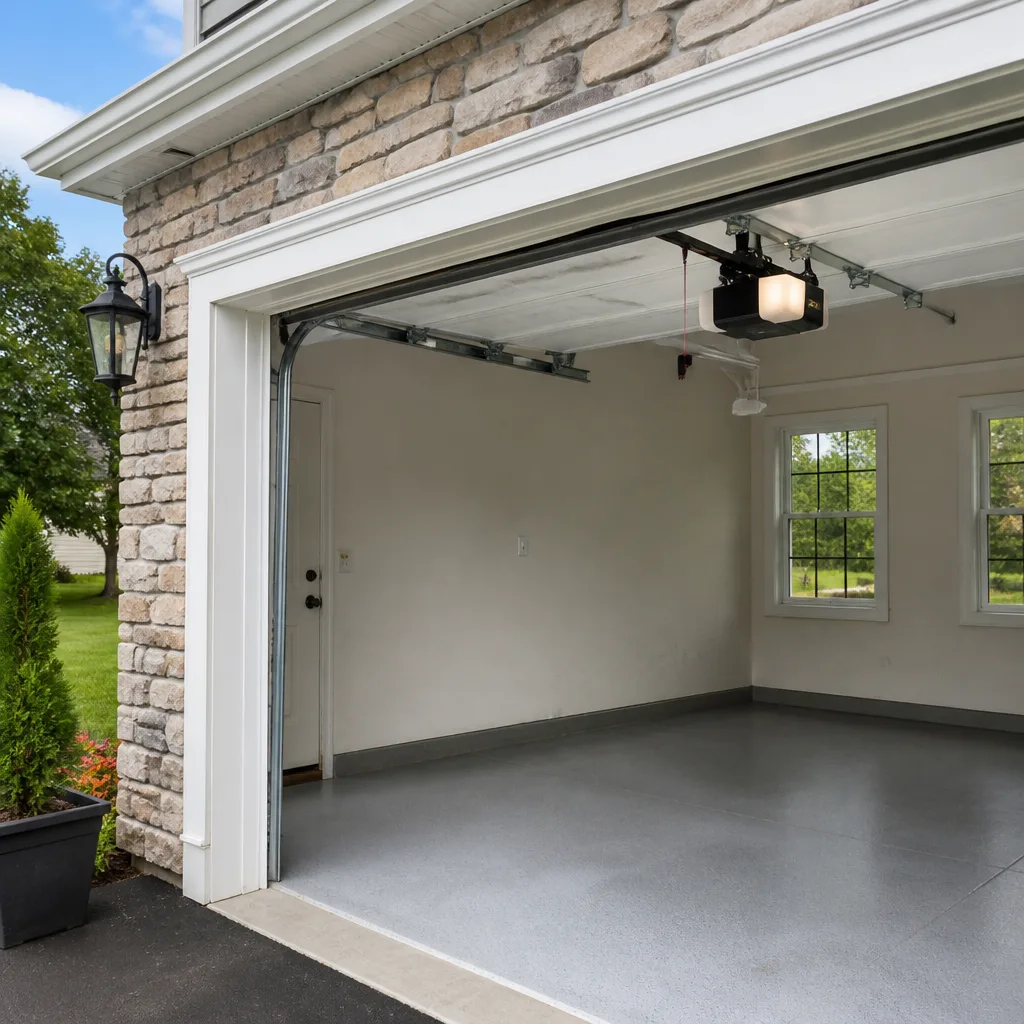 LiftMaster openers
 Chamberlain openers
Full 25-point door and opener safety check with every visit - springs, cables, rollers, tracks, and your LiftMaster or Chamberlain opener included
You get a price before we start. It does not change when the pro arrives.
Get your free estimateGarage Door Permits, Codes & Inspections in West Roxbury, MA: What You Need to Know
Most homeowners in West Roxbury assume a garage door replacement is a simple swap, no different from buying a new appliance. That assumption is where permit gaps start. Massachusetts building code treats the work on your door in two very different ways depending on what’s actually being changed: a like-for-like door swap on the same tracks and same header is a different job, from a code standpoint, than opening a wall, cutting a header, or running a new circuit for an opener. The difference matters because a home sale, a refinance, or an insurance claim can surface the paperwork later. In this guide, we’ll walk through what Boston’s inspection department actually requires, how 780 CMR applies to a residential garage door opening, what an inspector looks for, and how to fix an older non-compliant installation without tearing the whole thing out.
Quick Answer
In West Roxbury, a straight like-for-like garage door replacement – same opening, same track layout, same opener circuit – is generally treated as routine maintenance and doesn’t require a permit. A permit is typically triggered when the work touches the structural header, changes the size of the opening, involves new electrical work for an opener or lighting, or alters the framing around the door. When in doubt, the answer is a phone call to Boston’s Inspectional Services Department, not a guess. Getting that determination right the first time is the single best way to avoid problems at a future inspection.
Styles & brands we work with
- Raised-panel steel
- Carriage house
- Modern flush
- Full-view glass
- LiftMaster openers
- Chamberlain openers
Table of Contents
- When does a garage door project need a permit in West Roxbury?
- How Massachusetts 780 CMR applies to your garage door opening
- The inspection process, step by step
- How permit status affects your homeowner’s insurance
- Bringing an older non-compliant door into code without replacing it
- DIY versus professional: where the code line actually sits
- Common mistakes to avoid
- Frequently asked questions
If you’re already dealing with a broken door and just need it fixed, our garage door repair team handles that side of things. If you’re planning a replacement, the garage door installation page covers measure, order and install. Either way, this guide is about the paperwork trail that runs alongside the work.
When Does a Garage Door Project Need a Permit in West Roxbury?
A permit is required when the work changes the building, not when it restores it. That’s the plain-language version of the rule, and it’s the one we suggest homeowners keep in their head. Boston’s Inspectional Services Department (ISD) is the authority that issues and inspects permits for West Roxbury, since West Roxbury is a neighborhood of Boston and falls under the city’s inspectional jurisdiction rather than a separate suburban building department.
Here’s the practical breakdown of what usually does and doesn’t trigger a filing, based on how these projects tend to go in West Roxbury homes:
- Typically no permit: replacing a door with the same size door on the same track system, replacing springs, replacing cables, replacing rollers and hinges, swapping a failed opener for a new opener wired into the existing outlet.
- Typically requires a permit: modifying or replacing the structural header above the opening, cutting or reframing the opening to a different size, altering wall framing to fit a wider door, running new electrical circuits or adding new outlets for an opener or lighting, converting a manual door to a powered one where no wiring exists.
- Case by case: replacing an opener with a different type that requires new wiring or a new mounting configuration, adding a second door to an existing structure, or any project where the existing opening doesn’t match the door being installed.
One wrinkle specific to West Roxbury: the housing stock ranges from older colonials and capes to mid-century ranches and newer builds. Older garages often have openings that were sized for a specific era of door, and when a newer door is fitted, the framing sometimes needs adjustment. That adjustment is the moment the project crosses from maintenance into construction work in the eyes of the code. It’s not about the door itself; it’s about what the door is attaching to. That’s the line most homeowners – and a surprising number of contractors – draw in the wrong place.
Our advice: before any project where the opening, the header, or the electrical is being touched, call ISD directly and describe exactly what’s being changed. A five-minute call now beats a delayed closing later.
How Massachusetts 780 CMR Applies to Your Garage Door Opening
The Massachusetts State Building Code, known as 780 CMR, is the umbrella code that governs residential construction in the Commonwealth, including the structural and safety provisions that apply to a garage door opening. In plain language, 780 CMR doesn’t have a chapter titled “garage doors” that you can flip to. What it does have is a set of structural and life-safety requirements that touch the opening, and the door has to fit within them.
The pieces that come up most often for a West Roxbury homeowner:
- The header is structural. The beam above your garage door opening carries load from the wall above. Any change to that header – replacing it, notching it, cutting it – is structural work, and structural work is what the permit and inspection process exists to check.
- The opening is a defined size. Widening or heightening the opening changes the load path in the wall. That’s a framing change, and it needs a permit and an inspection.
- Electrical work has its own rules. A new circuit, a new outlet, a new disconnect for an opener – these fall under the electrical provisions of the code, and they require an electrical permit and inspection separate from any building permit. An opener wired into an existing, properly installed outlet is a repair, not new electrical work.
- Safety devices are code-driven. Modern openers include entrapment protection – the photo-eye system and the auto-reverse function. These aren’t optional features; they’re part of how a powered door is required to behave. An older opener without functioning safety devices is a code concern regardless of permit status.
Here’s where we see the line get crossed most often in West Roxbury: a homeowner buys a wider door than the existing opening, a contractor reframes the opening to fit it, and the electrical for the new opener is run as part of the same job. That project involves structural work, a changed opening, and new electrical – three reasons a permit is required. If it goes in without one, the door may function perfectly for years. The gap only surfaces when a buyer’s inspector, a lender’s appraiser, or an insurance adjuster asks for the paperwork, and then it becomes someone else’s problem to solve.
We keep the code side in view on every install we’re involved in, but the determination of what needs a permit is always the city’s to make. Ask ISD. That’s not a dodge; it’s the most useful piece of advice in this guide.
The Inspection Process, Step by Step
When a permit is required, an inspection is required, and the inspection is where most of the friction lives. Here’s how the process typically runs for a garage door project in West Roxbury, so you know what to expect and can prepare.
- You (or your contractor) file the permit with Boston ISD. The application describes the scope of work – header modification, opening change, electrical, or a combination. Filing triggers a plan review for anything structural.
- The permit is issued with inspection milestones. For a project involving framing, there’s usually a rough-in inspection: the framing is inspected before it’s closed up with drywall or siding. This is the single most important milestone to get right. An inspector who arrives to find the wall already closed has no way to verify the work, and you’re looking at opening it back up.
- The rough-in inspection happens. The inspector looks at the header, the framing around the opening, the fasteners, and how the new work ties into the existing structure. For electrical, a separate inspection covers the wiring, the box, the grounding and the connection to the opener.
- The final inspection happens after the door is installed. The inspector confirms the door operates, the safety devices function, the door is properly attached to the framing, and the finished work matches the permitted scope.
- The permit is closed. This is the paper trail that matters later – for a sale, a refinance, or a claim. Keep the signed-off permit with your home records.
Two preparation points that save return visits:
- Don’t close up the framing early. Schedule the rough-in inspection while the structure is still visible. This is the number one cause of a failed or repeated inspection on framing work.
- Have the door’s manufacturer documentation on hand. The installation instructions and the spec sheet for the door and opener help the inspector confirm the door was installed as designed, especially for brands like Clopay or Amarr where the install details are specific to the model.
If you’re replacing an opener and the wiring is existing and unchanged, an inspection usually isn’t part of the picture – that’s a repair. The inspection question is tied to the permit, and the permit is tied to whether the building changed. If you’re unsure which category your project falls into, the opener side is covered on our garage door opener repair page, and the framing side is a call to ISD.
How Permit Status Affects Your Homeowner’s Insurance
Insurance companies don’t ask about permits at the moment you buy a policy. They ask at the moment you file a claim. That timing gap is what catches homeowners off guard, and it’s why an unpermitted installation can become a real problem even when the door has worked fine for years.
Here’s the important distinction: an unpermitted door isn’t automatically an uninsured door. Insurance doesn’t work that way. What permit status can do is complicate a claim when the claim involves the work that was done without a permit. If a door-related injury occurs at an installation that involved structural or electrical work performed without a permit and without inspection, the insurer’s investigation will look at whether the work met code. If it didn’t, the claim can be contested, delayed, or denied depending on the policy language and the circumstances. That’s not a scare tactic – it’s how claim investigations work.
The specific scenarios where we see permit status matter most:
- An injury claim. A garage door is a heavy moving object with springs under significant tension. If a failure causes injury, the insurer will look at the installation as part of the investigation. A signed-off permit is the cleanest evidence that the work was done to code.
- A structural claim after a storm. If a door or header fails during a wind event and the installation involved header modification, the claim investigation will examine whether that modification was permitted and inspected.
- A sale or refinance. This isn’t insurance, but it’s the same paperwork trail. A buyer’s inspector flags an unpermitted structural change, and the sale stalls until it’s resolved – often at a cost far higher than the original permit would have been.
For West Roxbury homeowners, the practical takeaway is simple: if the work involved the header, the opening, or new electrical, keep the permit and the inspection sign-off with your home records. If you bought a home where that paperwork doesn’t exist, know that you can often resolve it after the fact. More on that below.
One part of the installation that insurers and inspectors both care about, and that homeowners tend to overlook, is the safety reversal system. A door that doesn’t reverse on contact or that has non-functioning photo-eyes is a hazard regardless of permits. That’s a repair item to fix regardless of where you sit on the permit question.
Bringing an Older Non-Compliant Door Into Code Without Replacing It
Most guides treat “non-compliant” as a synonym for “replace it.” That’s not how it works in practice, and it’s an expensive assumption. Plenty of older West Roxbury garage doors can be brought into compliance without a full door replacement, and doing so is often the smarter path both financially and practically.
What “non-compliant” usually means in an older installation, and how each issue is typically addressed:
- Missing or non-functioning safety devices. Photo-eyes and auto-reverse are required on powered openers. A new opener with modern entrapment protection resolves this – and it’s a repair, not a structural change, so it usually doesn’t trigger a permit.
- Inadequate attachment to framing. An older door that was attached with fasteners that no longer hold, or that was attached to framing that wasn’t designed for the door’s weight, can usually be corrected by reinforcing the attachment points. That’s not a full door swap; it’s a targeted fix.
- Header or framing that was installed without a permit. The most common path here is a retroactive permit: the homeowner (or contractor) files with ISD, opens up enough of the structure for inspection, and the inspector verifies the framing meets code. If it doesn’t, it gets corrected and re-inspected. This is more work than a compliant installation, but it’s far less work than a full replacement and it closes the paperwork gap.
- An opener wired to an unpermitted circuit. An electrician inspects the circuit, corrects anything that doesn’t meet the electrical code, and the work is permitted and signed off.
- An opening that was enlarged without a permit. This is the hardest case, because the structural work may genuinely need to be redone. Even here, though, the fix is usually reframing and re-inspecting that specific section, not replacing the door.
What we’d tell any West Roxbury homeowner facing this: get the issue specified before you decide on the fix. “Your garage door isn’t compliant” can mean a $200 opener swap or a reframing job, and the two are very different projects. The right first step is a conversation with ISD about what specifically was flagged, followed by a professional assessment of what’s actually wrong with the door and its attachment.
If the door itself is at end of life and the compliance issue is incidental, replacement and compliance can be handled in one project. Our garage door installation page covers the measure-and-order process; the compliance side is a parallel track, not a separate door.
DIY Versus Professional: Where the Code Line Actually Sits
We’re not going to tell you every garage door project needs a professional. Replacing a remote battery, lubricating rollers, tightening a loose hinge – those are homeowner tasks. But there are parts of a garage door system that are genuinely dangerous, and those are the ones we recommend homeowners leave alone. We’ll be direct about which, without giving step-by-step instructions.
Springs and cables. Torsion springs store a large amount of energy, and when they’re released incorrectly or adjusted without the right tooling, they can cause serious injury. This is the single most dangerous part of a garage door job, and it’s the one where brand-specific knowledge matters – a Clopay system and an Amarr system don’t use the same spring geometry, and the wrong spring is not a substitute. We treat spring repair as a core competence, not an upsell, and our recommendation is simply that it’s not a homeowner repair.
Opener installation on a circuit you’re not sure about. If the opener is going into an existing, properly installed outlet, that’s a repair. If the job requires running a new circuit, that’s electrician work under the electrical code, and it isn’t the place to learn wiring. The opener side of things we handle directly – we work on LiftMaster, Chamberlain, Genie and Craftsman systems regularly – but the electrical provisioning is a licensed electrician’s job.
Header and framing work. Anything that changes the structure above the opening falls under the building code, requires a permit in almost all cases, and requires inspection. This isn’t a “DIY with care” situation; it’s a job for a contractor and an inspector.
Where the line actually sits, in one sentence: if the work changes the building (header, opening size, new electrical), it needs a permit and a pro. If the work restores an existing component (springs, cables, opener, rollers, hinges), it’s a repair – and the question is whether it’s a safe one to DIY. Springs and cables aren’t.
On the parts side, we keep commonly needed components in supply so a repair isn’t waiting on an order. That’s part of the reason we can often turn a repair around in a single visit – and it’s why we recommend starting with West Roxbury Garage Door Repair when a door isn’t working, rather than assuming the fix is replacement. Most of the time, it isn’t.
Common Mistakes to Avoid
- Assuming a new door automatically needs (or doesn’t need) a permit. Permit status is tied to what’s being changed – the opening, the header, the electrical – not to whether the door is new. The same door can require a permit in one installation and not in another.
- Reframing the opening before checking with ISD. Making the opening fit the door is a common first step, but it’s the step that converts a repair into a permitted project. Call first, frame second.
- Running electrical for a new opener without an electrical permit. An opener wired to an existing outlet is one thing; a new circuit is another. West Roxbury homes with attached garages often have limited existing outlets, so this comes up more often than homeowners expect.
- Closing up framing before the rough-in inspection. If the wall is finished when the inspector arrives, the inspection fails and the wall opens back up. Schedule the rough-in while the framing is visible.
- Not keeping the sign-off paperwork. The closed permit is a document that will be asked for at a future sale, refinance, or claim. Photograph it and file it with your home records.
- Buying a door before the opening is measured and the compliance question is settled. A door sized for the opening you have may not be the door that fits the opening you’re allowed to have. Measure, confirm code status, then order.
- Treating spring replacement as a homeowner repair. The most dangerous part of the system is the part homeowners most often try to fix themselves. A spring under tension is not a learning opportunity.
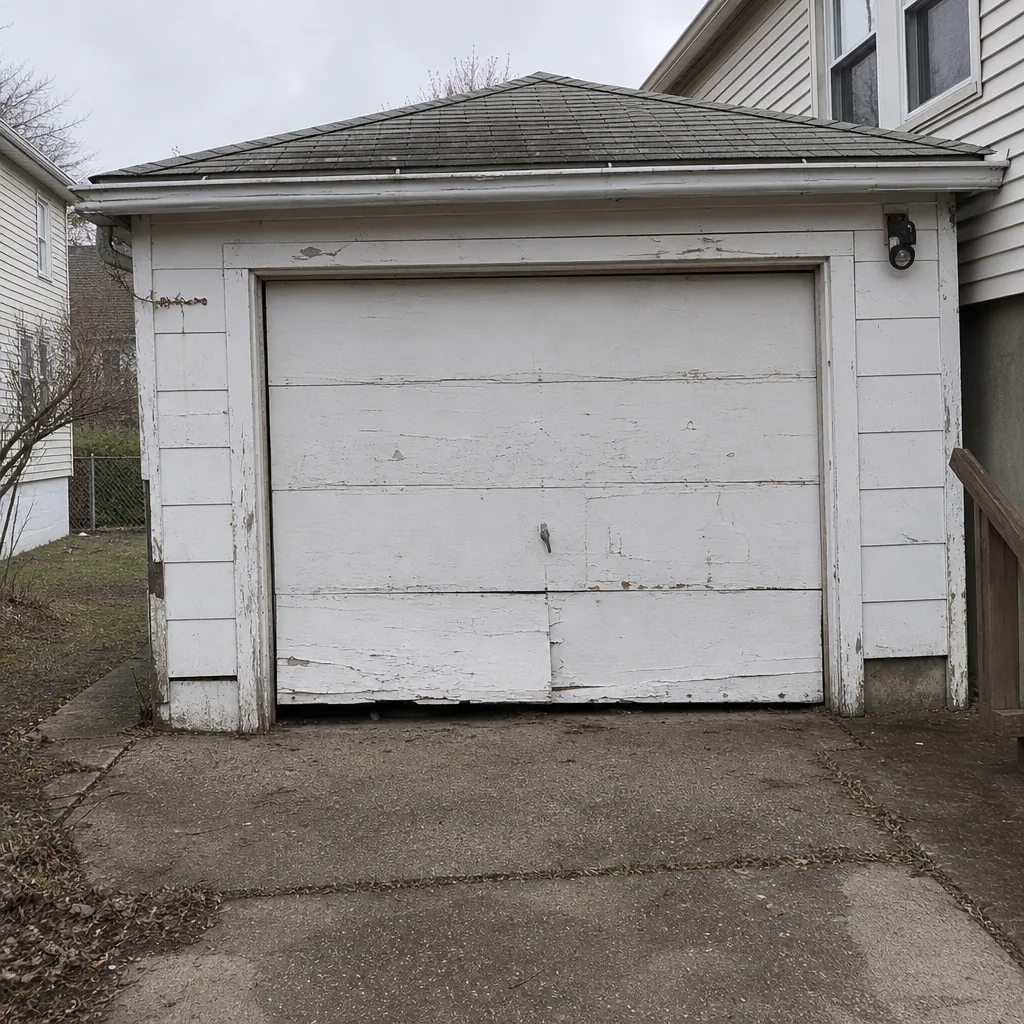
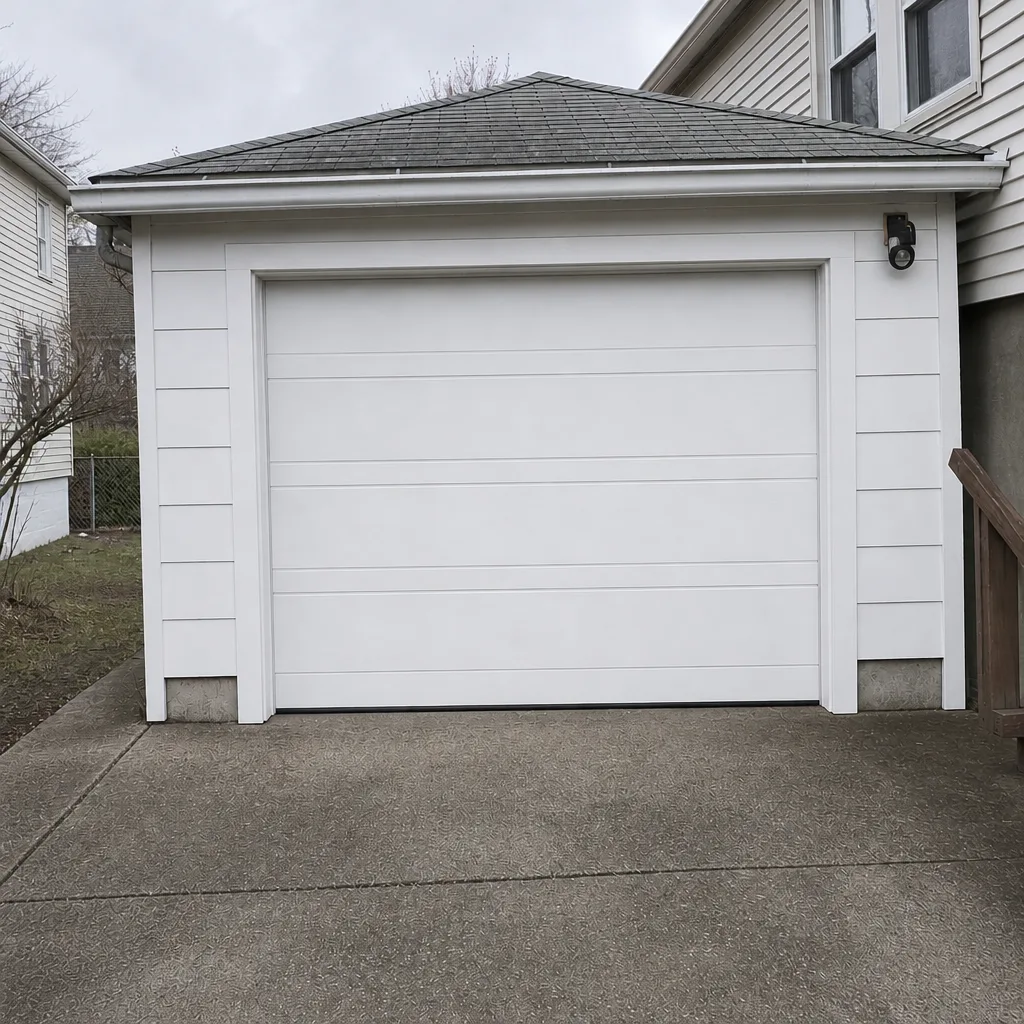
See the difference
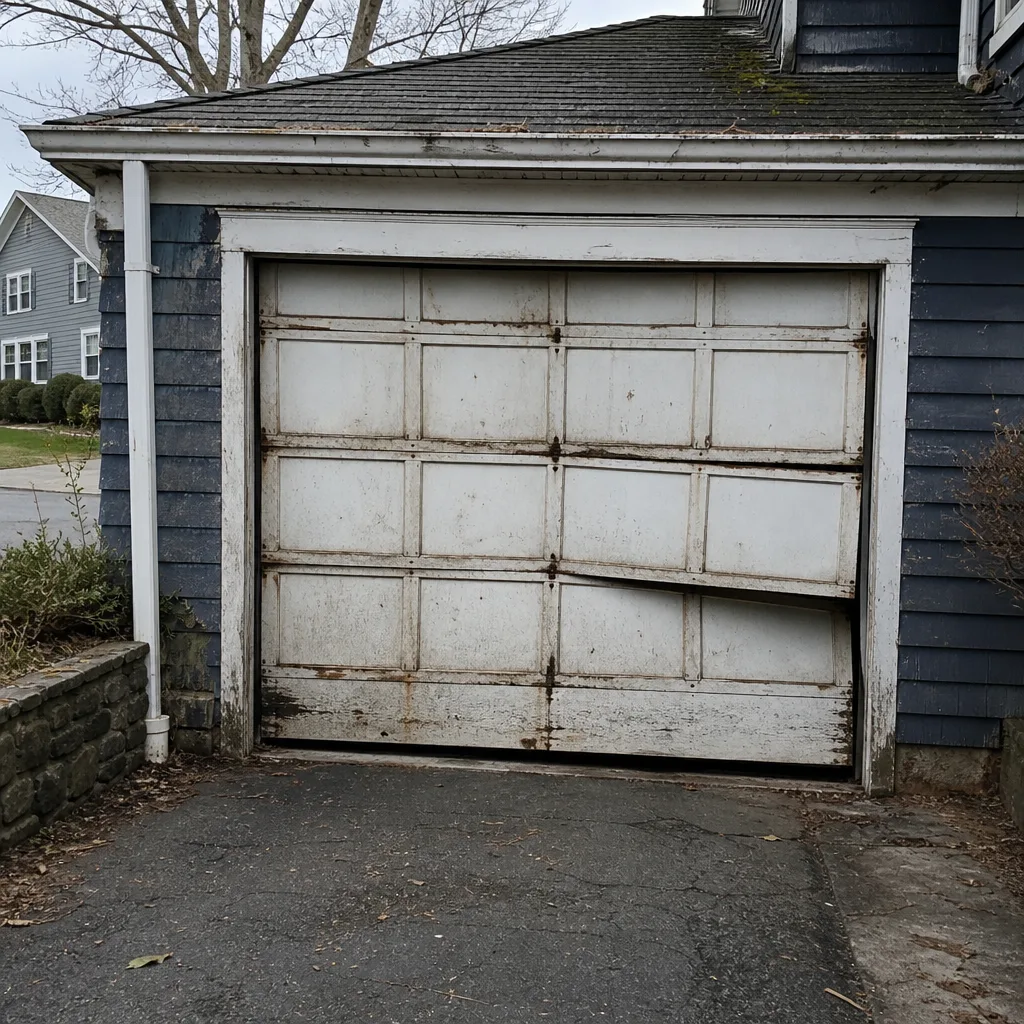 Before
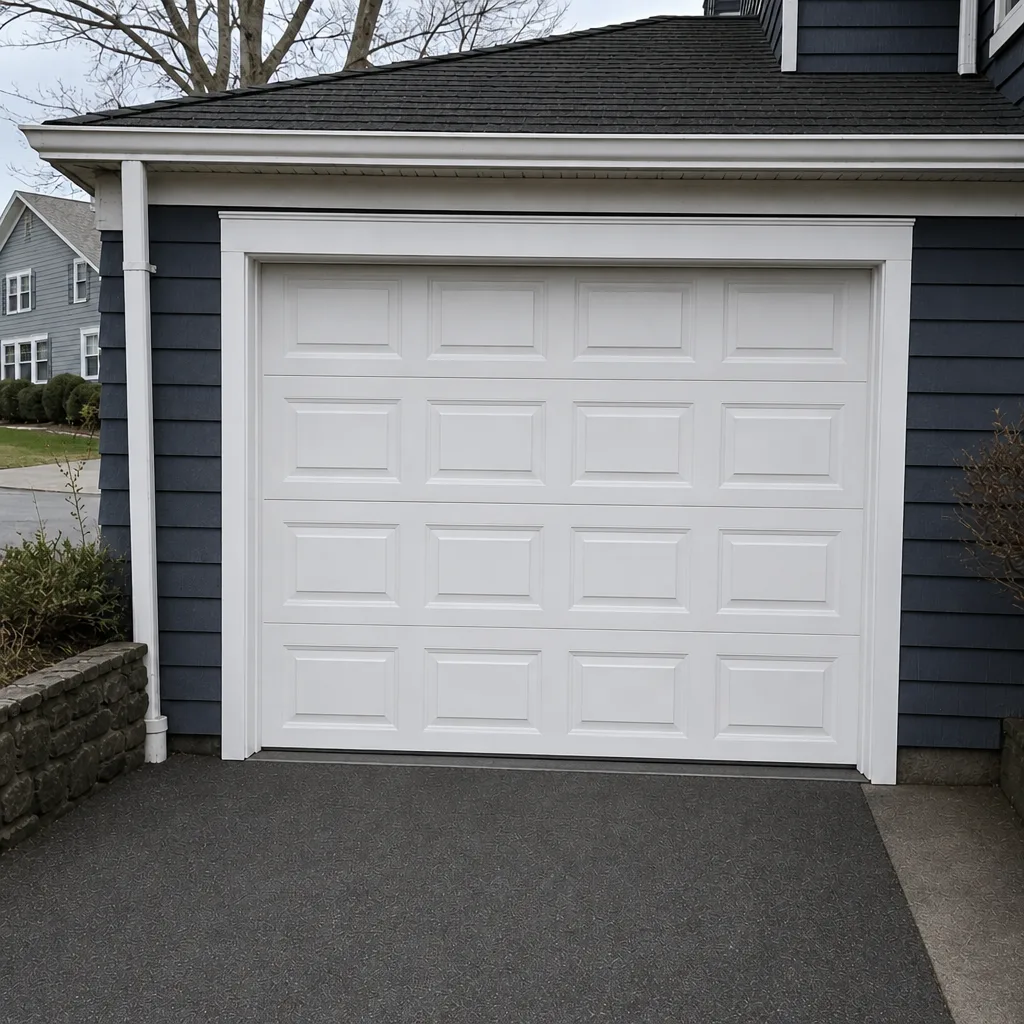 After
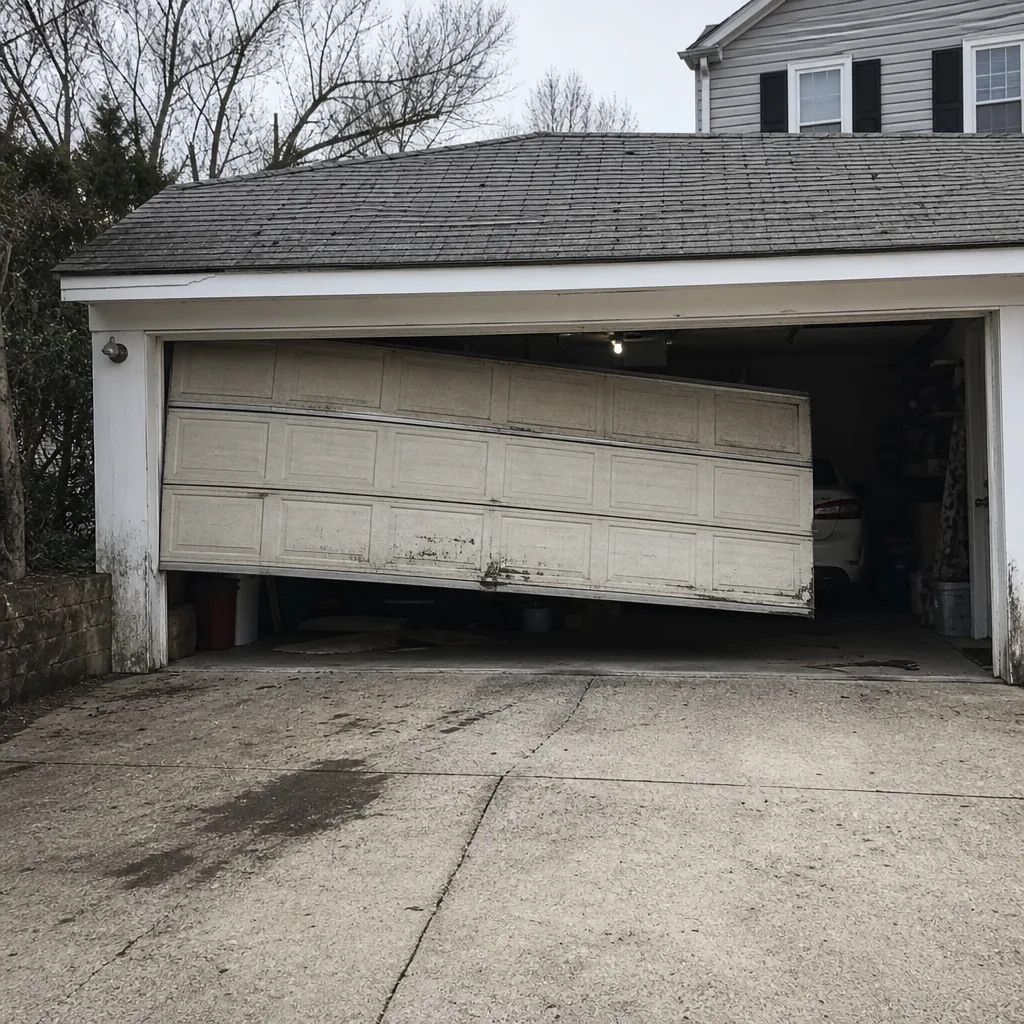 Before
 After
 Before
 After
When to Call a Professional
Call a professional when the project crosses any of these lines: the door won’t open or close and the cause isn’t obvious, a spring has snapped or a cable has come off, the opener runs but the door doesn’t move, the door is out of balance or one side lifts higher than the other, the safety reversal doesn’t work, or you’re planning a replacement and need the opening measured and the code question settled. If the work involves the header, the opening size, or new electrical, that’s a permit question and a pro question together – a specialist can assess the door and the installation while you confirm the permit scope with ISD. West Roxbury Garage Door Repair offers free estimates in West Roxbury – call (855) 658-4358 to get a written price before any work begins. Our technicians have up to 11 years of experience, and every job is quoted and agreed before we start, so you’ll know the number before the door moves.
Frequently Asked Questions
Not for a like-for-like replacement on the same tracks and the same opener circuit – that’s typically treated as maintenance. A permit is generally required when the project touches the structural header, changes the opening size, or involves new electrical work for an opener or lighting. Call Boston ISD to confirm the specific scope before work begins; estimates from West Roxbury Garage Door Repair are free at (855) 658-4358.
780 CMR is Massachusetts’s statewide building code, and it doesn’t have a garage-door-specific chapter you can flip to. What it does have are structural provisions for the header above the opening, safety provisions for powered doors with entrapment protection, and electrical provisions for any new wiring. In practice, the code governs the opening and the wiring, and the door has to fit within those requirements. If you’re planning a project, ask ISD what applies to your specific scope.
There are usually two: a rough-in inspection before framing is closed up, and a final inspection after the door is installed. The rough-in checks the header, framing, fasteners and attachment. The final confirms the door operates, the safety devices function, and the finished work matches the permitted scope. Have the door and opener documentation on hand for the final, especially for brand-specific installs like Clopay or Amarr.
Yes, in most cases. The usual path is a retroactive permit: file with ISD, open up enough of the structure for inspection, correct anything that doesn’t meet code, and get it signed off. It’s more work than a compliant installation, but it’s far less work than replacing the door, and it closes the paperwork gap for a future sale or claim. Call (855) 658-4358 and we’ll assess the door and attachment so you know what the correction involves.
It can complicate a claim when the claim involves the unpermitted work – most commonly an injury claim or a structural claim after a storm. Insurance doesn’t automatically deny coverage for an unpermitted door, but the claim investigation will examine whether the work met code. Keeping the permit and the inspection sign-off with your home records is the cleanest way to avoid the complication.
No – we don’t recommend it. Torsion springs store a large amount of energy, and releasing or adjusting them without the right tooling can cause serious injury. It’s also brand-specific work: a LiftMaster system and a Genie system don’t use the same spring geometry. Spring repair is a standard, practiced service for us, and it’s the one part of the system we’d tell any West Roxbury homeowner to leave to a professional.
The Bottom Line
The permit question on a West Roxbury garage door isn’t about the door – it’s about what the door attaches to and how it’s powered. A like-for-like replacement is generally maintenance. Anything that touches the header, changes the opening size, or runs new electrical is a permitted, inspected project under 780 CMR, and that paperwork is what a buyer, a lender, or an insurer will ask for later. If you’re unsure which side of the line your project sits on, call ISD before you buy the door. And if a spring, cable, or opener has failed, don’t wait on the paperwork question – that’s a repair, and it’s one we handle.
Call West Roxbury Garage Door Repair at (855) 658-4358 for a free estimate on your repair, opener, spring, or installation project. We’ll quote the work, agree the price before we start, and point you to ISD for anything that needs a permit. Garage doors are all we do, and we’d rather answer your code question correctly the first time than sell you a door you didn’t need.
Written by the team at West Roxbury Garage Door Repair.